
Unreported Falls
Unreported Falls: The Hidden Crisis in UK Care Homes
Introduction: The Falls That Slip Through the Cracks
Not every fall is seen.
Not every fall is reported.
And not every fall is acted on in time.
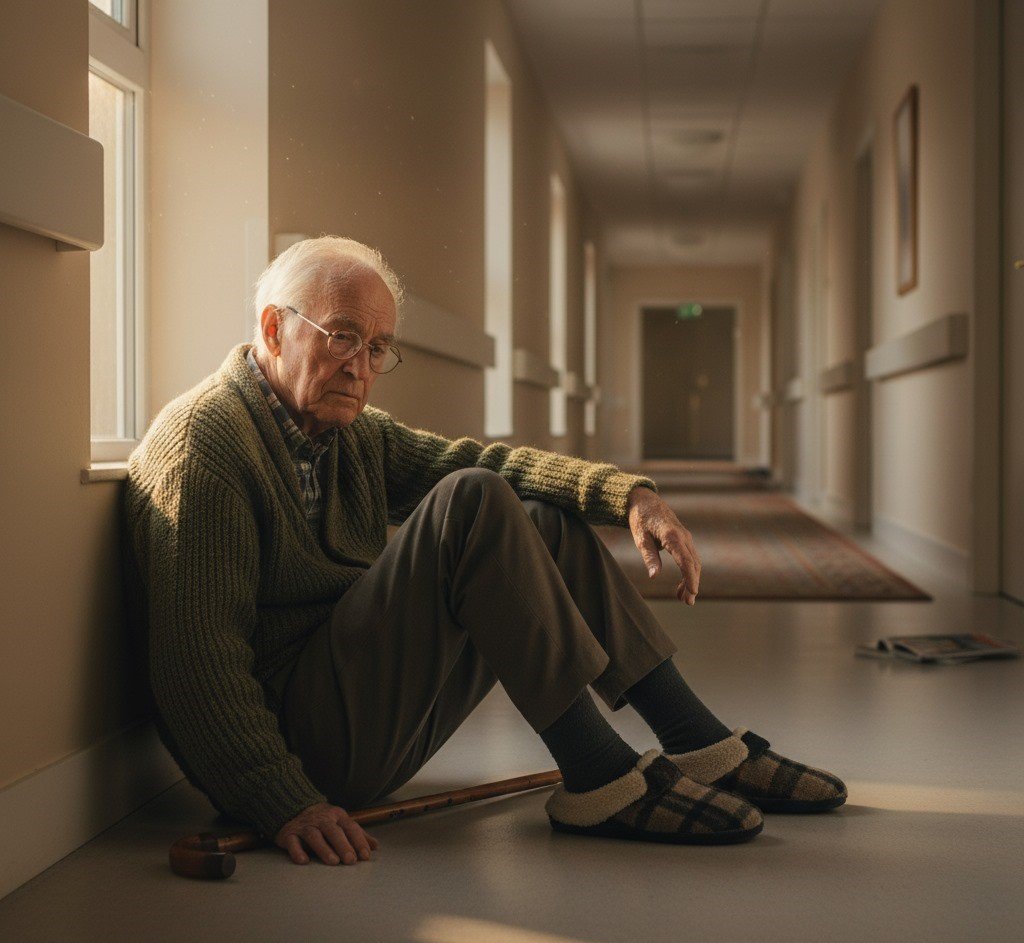
Across UK care homes, unreported falls are a hidden crisis. They often go unnoticed until staff discover a resident hours later, or worse, when the consequences — bruising, confusion, or a hospital admission — make them impossible to ignore.
These incidents don’t just endanger residents. They undermine family trust, damage staff morale, and show up in CQC inspections as evidence of gaps in safety and safeguarding.
The question is simple: if every fall puts a resident at risk, why are so many still being missed?
Why Unreported Falls Happen in Care Homes
Night-Time Vulnerability
Falls most often occur at night, when staffing is lower and residents attempt to toilet independently. A quiet slip in a bedroom or bathroom can go unnoticed for hours.
Limited Checks
Routine hourly or two-hourly checks cannot provide continuous monitoring. Even in the most diligent homes, staff can’t physically be in every room at once.
Wearable Resistance
Pendants and bracelets remain the traditional approach. But many residents — particularly those with dementia — refuse to wear them, remove them during sleep, or leave them on a bedside table. If it’s not worn, it can’t work.
Staff Under Pressure
When teams are stretched, minor falls may go undocumented. Staff may believe they’re harmless — but even “small” falls can indicate bigger risks, cause hidden injury, or be viewed as safeguarding failures.
The Human Impact of Missed Falls
The numbers are stark:
Around 40% of care home residents fall each year, with 10–25% experiencing serious injury (Public Health England).
Up to 1 in 3 falls in older people are unreported, according to multiple studies.
Behind the statistics are real stories.
A resident left on the floor overnight develops hypothermia.
A family learns weeks later their parent suffered several undocumented falls.
A CQC inspection flags “unsafe monitoring” and places the home under scrutiny.
The consequences ripple outwards:
For residents: hidden injuries, trauma, faster functional decline.
For staff: guilt, stress, and erosion of professional confidence.
For providers: safeguarding incidents, hospital transfers, lower inspection ratings.
Unreported falls are not just incidents — they are systemic failures of visibility.
CQC’s View on Falls and Safeguarding
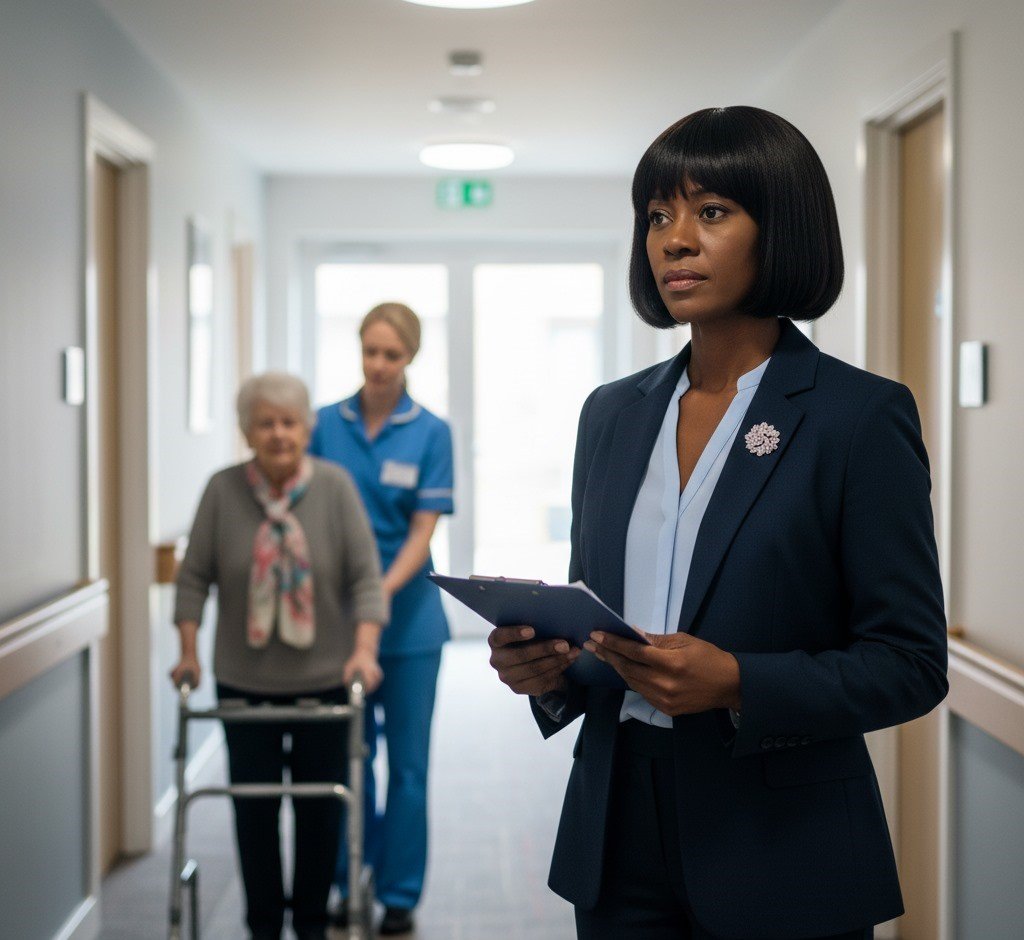
CQC inspectors pay close attention to how homes monitor, record, and respond to falls. In inspection reports, missed or unreported falls are frequently cited under the “Safe” and “Responsive” domains.
Common inspector feedback includes:
“Staff did not consistently record all falls.”
“Systems in place were not effective in ensuring falls were monitored and reviewed.”
“We could not be assured residents were safe from harm.”
For care leaders, the message is clear: missed falls are not just a care issue — they are a compliance issue.
Why Traditional Approaches Fall Short
Floor mats: easily bypassed, high false alarm rates.
PIR sensors: limited coverage, struggle in bathrooms or low light.
CCTV cameras: intrusive, undignified, and often resisted by families.
Wearables: unreliable due to non-use or refusal.
These tools were designed for a different era of care. They cannot guarantee continuous, reliable monitoring — especially where privacy and dignity are essential.
Silver Shield: Making Every Fall Visible
This is where technology has caught up with the real-world challenges of care.
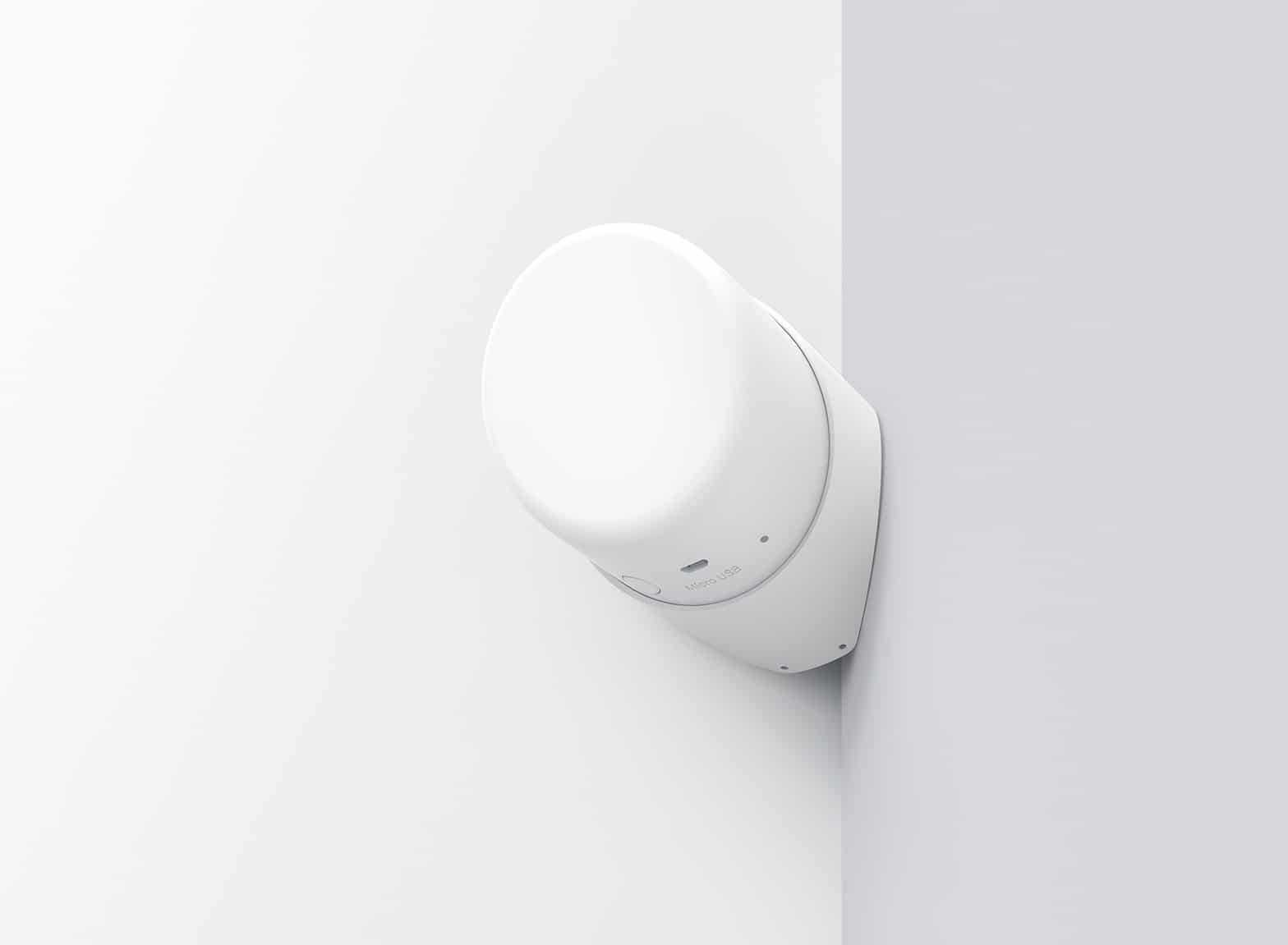
Silver Shield, powered by mmWave radar and advanced AI, ensures no fall goes unseen.
How It Works
Instant detection: whether fast, slow, or slips-from-chair, every fall is identified within seconds.
Full-room coverage: one discreet sensor provides 100% monitoring, even in bathrooms
Proactive prevention: bed and chair exit alerts allow staff to act before a fall occurs.
Privacy-first: radar, not cameras — safeguarding dignity as well as safety.
Evidence for CQC: every fall logged, with timestamps and response data available.
The Results in UK Care Homes
Falls cut by up to 85% in pilot sites.
Zero unreported falls after deployment.
Families reporting greater trust and peace of mind.
Case Study: Night-Time Safety Restored
A dementia care unit in the South West faced repeated safeguarding concerns. Despite checks, residents were being found on the floor hours after falling.
After installing Silver Shield:
Unreported falls dropped to zero.
Night staff reported feeling “supported rather than stretched.”
The home used Silver Shield data to demonstrate improved safety during a CQC inspection, contributing to a positive rating outcome.
“Before, we were firefighting. Now we know every resident is safe, every fall is seen, and families feel reassured.”
— Care Home Manager, UK
Frequently Asked Questions
Yes. Unlike PIRs or mats, Silver Shield covers bathrooms — the area where most falls occur.
No. Silver Shield is completely passive — no pendants, bracelets, or wearables.
Yes. No images are captured. Data is anonymised and used for safety and compliance only.
Silver Shield provides clear evidence of fall monitoring and response times — a powerful tool for CQC inspections.
Conclusion: No More Hidden Incidents
Unreported falls are not inevitable. They are the result of outdated systems and overstretched staff.
With Silver Shield, care homes can:
Detect every fall, instantly.
Prevent long lies with proactive alerts.
Provide evidence for CQC and reassurance for families.
No more hidden incidents. No more risks slipping through the cracks.
👉 Book a live demo today and see how Silver Shield ensures no fall goes unseen in your care home.