
Not every fall is seen.
Not every fall is reported.
And not every fall is acted on in time.
Across UK care homes, unreported falls are a hidden crisis. They often go unnoticed until staff discover a resident hours later, or worse, when the consequences — bruising, confusion, or a hospital admission — make them impossible to ignore.
These incidents don’t just endanger residents. They undermine family trust, damage staff morale, and show up in CQC inspections as evidence of gaps in safety and safeguarding.
The question is simple: if every fall puts a resident at risk, why are so many still being missed?
Every fall tells a story.
A safeguarding alert.
A shaken family phone call.
A team stretched thin.
Another line on a CQC report.
In UK care homes, falls remain the leading cause of harm, hospital admission, and inspection concerns. But it doesn’t have to be this way.
With the right technology, falls can be prevented, response times reduced, and resident safety transformed. This guide explores why fall detection matters, where traditional methods fall short, and how Spark Care fall detection, fall prevention and wellbeing sensing, powered by Vayyar, supports safer care.
Falls aren’t just about bruises or broken bones — the ripple effect is much wider:
Resident Harm: Long lies can lead to hypothermia, pressure injuries, and trauma.
Staff Wellbeing: Teams caught in constant firefighting face alarm fatigue and burnout.
CQC Outcomes: Safeguarding failures linked to falls can trigger compliance notices and lower ratings.
Family Trust: A single fall can undo months of reassurance, damaging reputation and occupancy.
For years, homes have relied on:
Floor mats and chair sensors — bypassed easily, limited coverage.
PIR motion sensors — trigger false alarms, miss subtle movement.
CCTV cameras — intrusive, eroding dignity and raising safeguarding concerns.
These legacy tools often react too late or not at all, leaving care teams on the back foot.
Advances in mmWave radar and AI analytics mean fall detection has entered a new era:
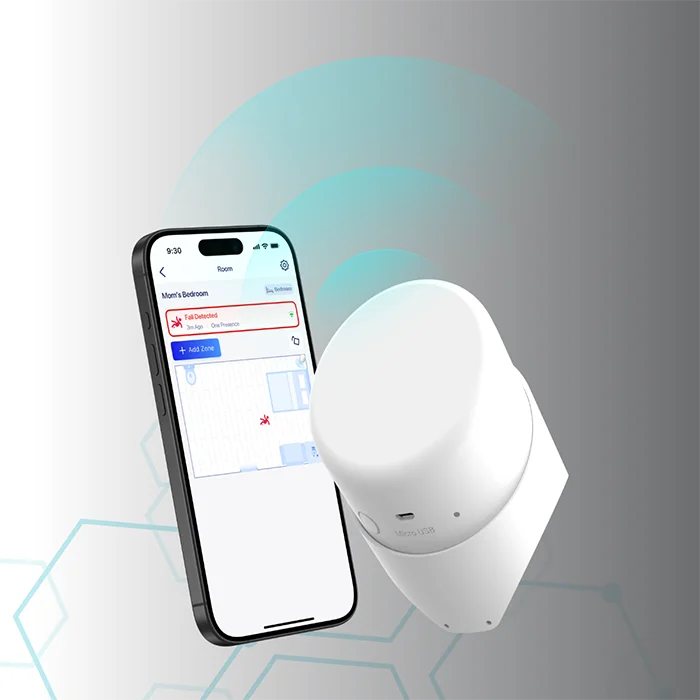
Instant fall detection — fast, slow, or slips-from-chair, all detected within seconds.
Proactive alerts — bed and chair exit warnings give staff the chance to prevent a fall before it happens.
Health monitoring — respiratory rate provides early warning of deterioration.
Multiple presence detection — know if a visitor, carer, or resident is in the room.
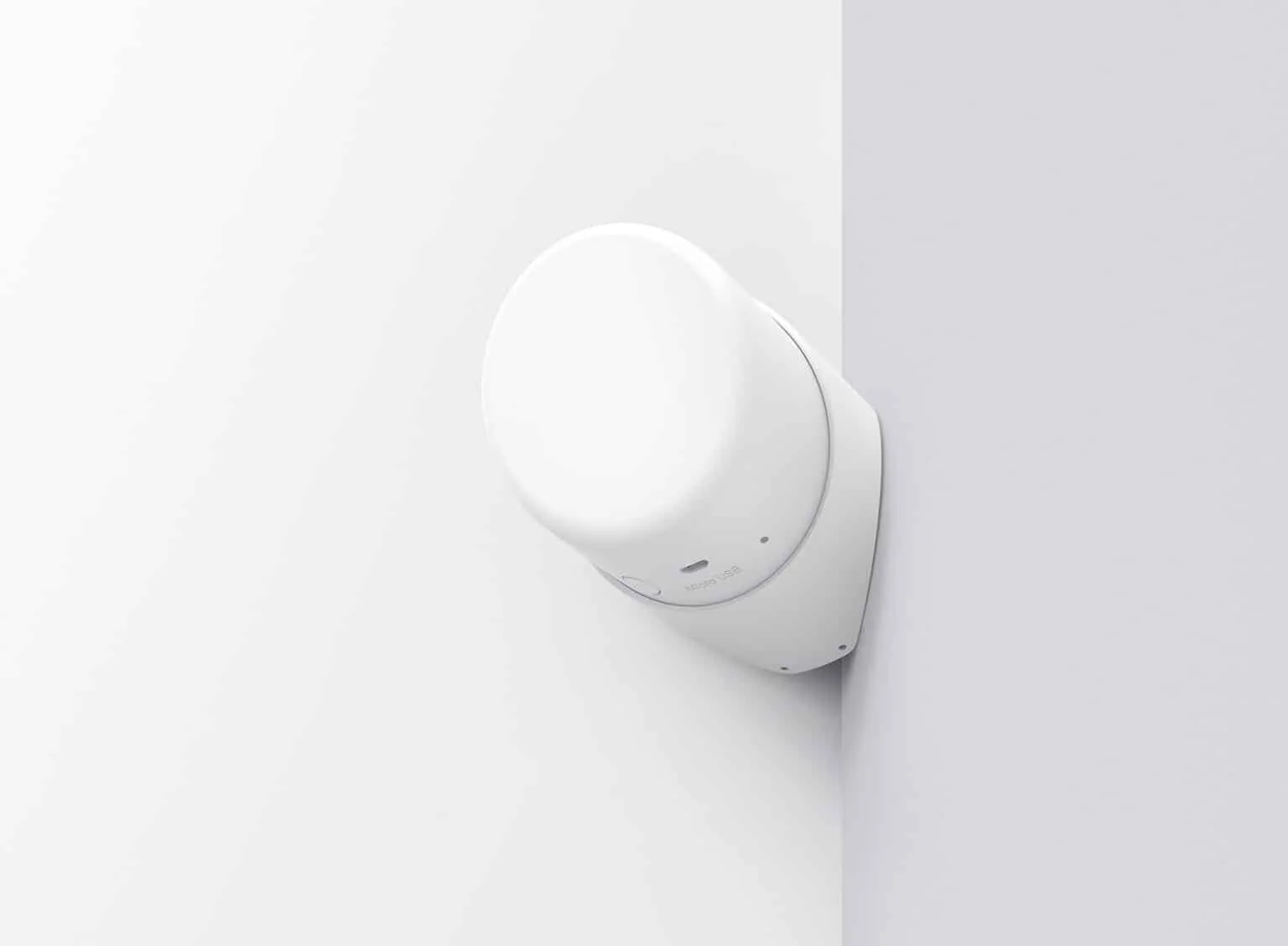
Privacy by design — no cameras, no wearables, no invasion of dignity.
This isn’t just fall detection. It’s true falls prevention.
At Spark Care, we bring privacy-first fall detection and wellbeing sensing into UK care homes, built on mmWave sensing from Vayyar.
✅ Instant fall detection in seconds
✅ Bed and chair exit alerts for proactive care
 Respiratory rate monitoring
✅ Live location view for staff reassurance
✅ Multiple presence detection
✅ Seamless nurse call integration
✅ GDPR-compliant, privacy-first design
See the note below. This claim needs removing, not renaming.
“Since introducing the sensing, we no longer just respond to falls.”
— Care Group Director, Gloucestershire
Reducing Long Lies: A dementia care unit cut long lies by 70% within three months of deployment.
Supporting Staff: Night shifts reported lower stress levels thanks to proactive alerts.
Improving Inspection Outcomes: One operator used the data to evidence safer staffing during their CQC inspection.
Book a Live Demo — see how instant detection and prevention work in real time.
Pilot the System — trial the sensing in a single room or wing.
Scale Up Confidently — proven ROI and staff adoption make wider rollout seamless.
 Join our next webinar to see the sensing in action.
The sensors are waterproof and cover the highest-risk areas.
Yes. Vayyar Care sensors are waterproof and cover the highest-risk areas.
It connects to leading nurse call and care platforms, slotting straight into your workflows.
Yes. It uses radar, not cameras, meaning resident privacy and dignity are always protected.
With Spark Care fall detection and wellbeing sensing, care homes can move from reacting to incidents to preventing them, keeping residents safer, supporting staff and protecting inspection outcomes.
The technology is proven. The results are clear. The future of fall detection is here.