Less2Care Continence Waste Containment
Dignity and hygiene at the point of care
Helping your team contain continence waste where care happens, so it’s sealed away rather than carried open through the home.
Fewer trips down the corridor. Sealed storage designed to contain odour. A calmer, more dignified home.
It’s rarely the pad change. It’s everything that happens afterwards.
Care teams handle continence care with real skill and discretion. The change itself happens behind a closed door, with dignity in mind.
Then the waste has to go somewhere. Down the corridor to the sluice. Into a bag that sits open until it is full. Out to the bin store, past the lounge, past visitors, past the dining room at lunchtime.
Each journey takes a carer off the floor. Each open bag can let odour into the home. Each time waste is handled again, good infection prevention depends on the process being followed, even at the end of a long night with two staff on the unit.
And the sluice is often part of the problem. Sluices and macerators break down, rely on water, and were never built for the volume of modern continence products.
It is not the team. It is the process.
Existing routines are often the result of the systems available. The aim is to make the process easier, more contained and more dignified.
What changes on the floor
Less2Care is designed to change what happens between the pad change and the bin store.
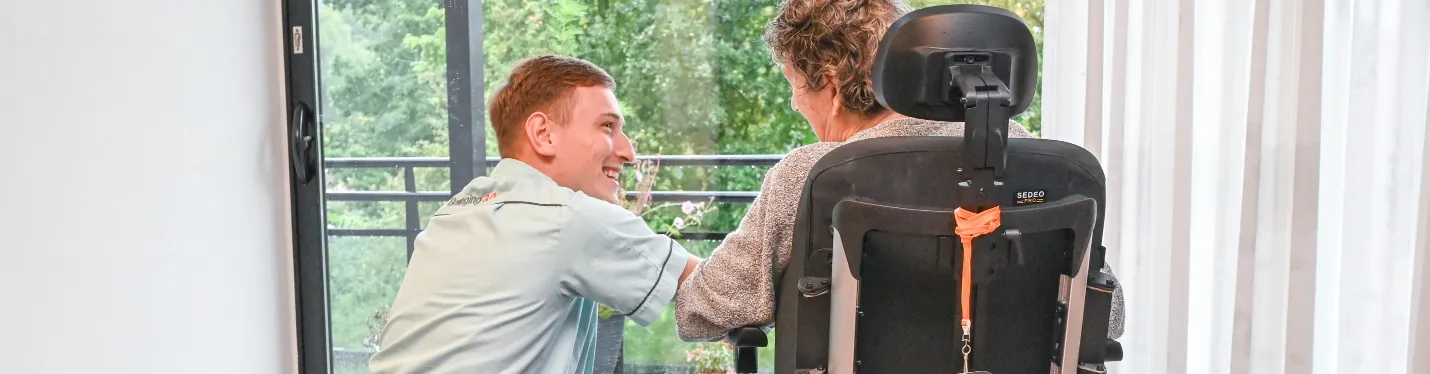
Waste stays where care happens
Used continence products go straight into a closed collector beside the resident, rather than being carried open through shared spaces.
Fewer journeys
Less walking to the sluice can mean more time with residents, especially on busy shifts and at night.
Corridors that smell like home
Sealed bags are designed to help contain odour, helping the home feel fresher.
Simple on every shift
A foot pedal and a clear routine that permanent, agency and new staff can pick up quickly.
How it works, from the room to the bin store
A simple, consistent routine can help keep waste contained between the point of care and the home’s normal waste collection process.
Care happens as normal
Your team continues supporting the resident in the usual way.
Collect at the bedside
Used pads go straight into the Iso-Safe trolley beside the resident. It’s foot-operated, so hands stay free, and there’s alcohol gel on the trolley.
Keep it closed
The lid closes after each use, and the airtight, watertight Iso-Bag inside helps hold odour in.
Remove air and seal
When the bag is ready, it comes off the trolley and goes to the Iso-Air, which removes the air, filters it and seals the bag for compact storage.
Move to the bin store
Sealed bags are taken to the bin store as part of the home’s waste routine.
What’s in the system
Four parts work together to keep continence waste contained, from the resident’s bedside to the bin store.
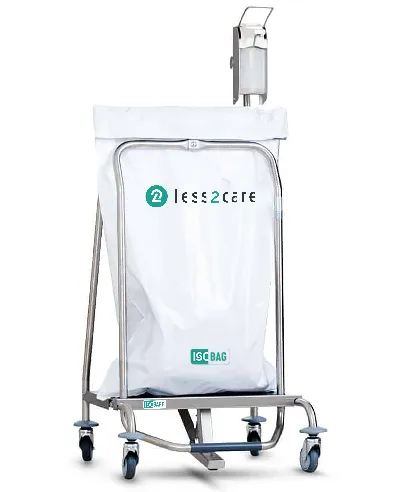
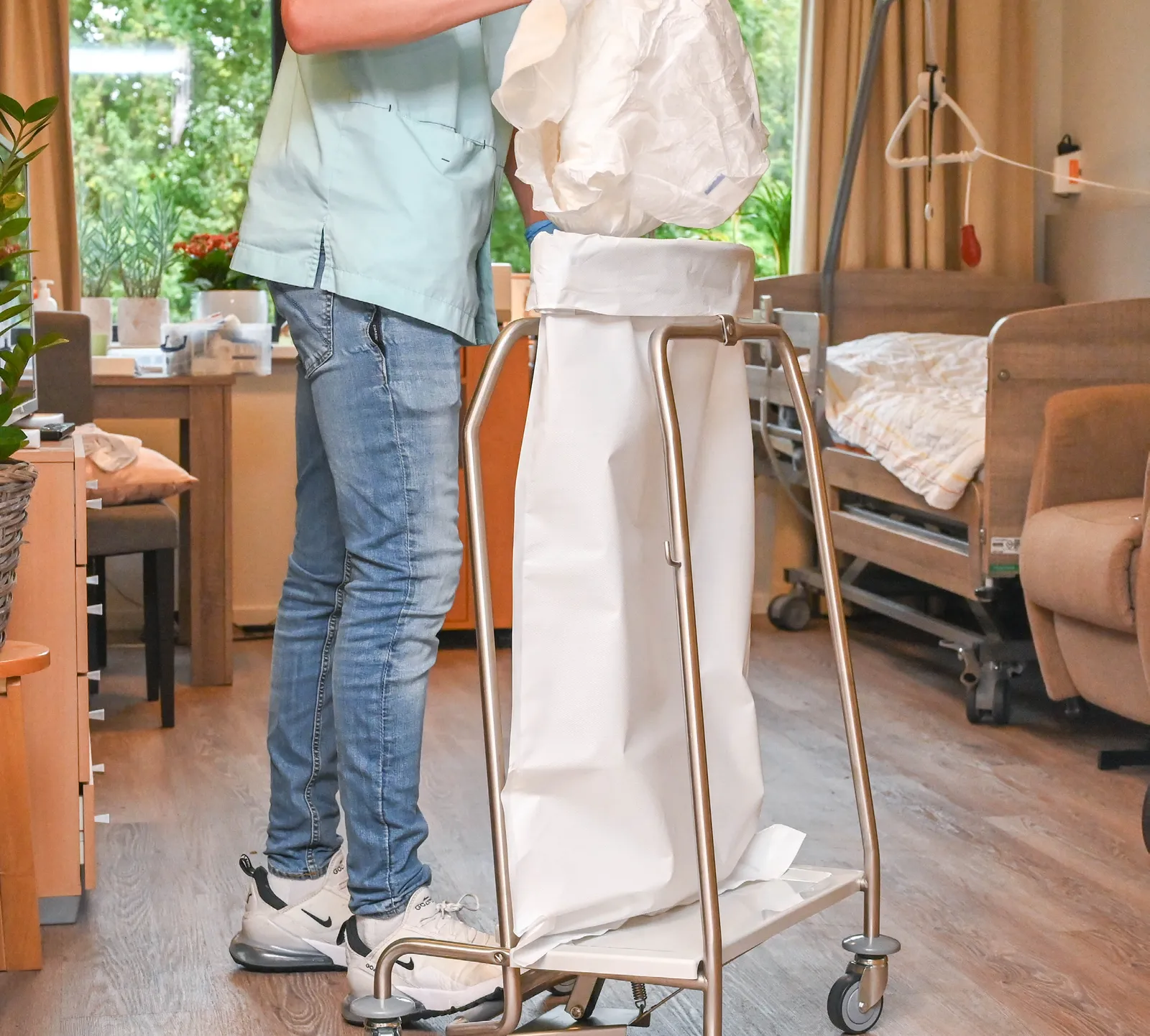
Iso-Safe: collection at the point of care
A foot-operated trolley that moves with your team from room to room, so continence waste is collected right where care happens. The lid closes after use to help keep odour in, and the alcohol gel dispenser supports hand hygiene at the bedside.

Iso-Bag: sealed, not porous
Unlike standard waste bags, the Iso-Bag is airtight and watertight, designed to keep odour and waste contained inside.
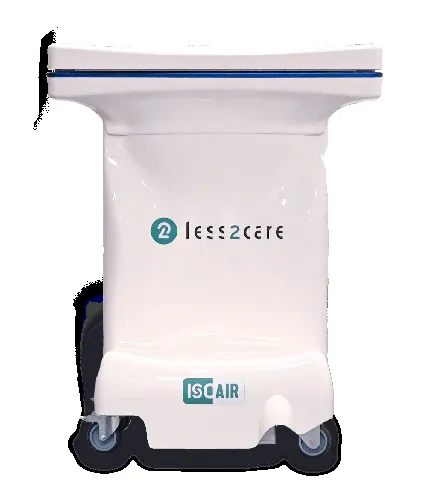
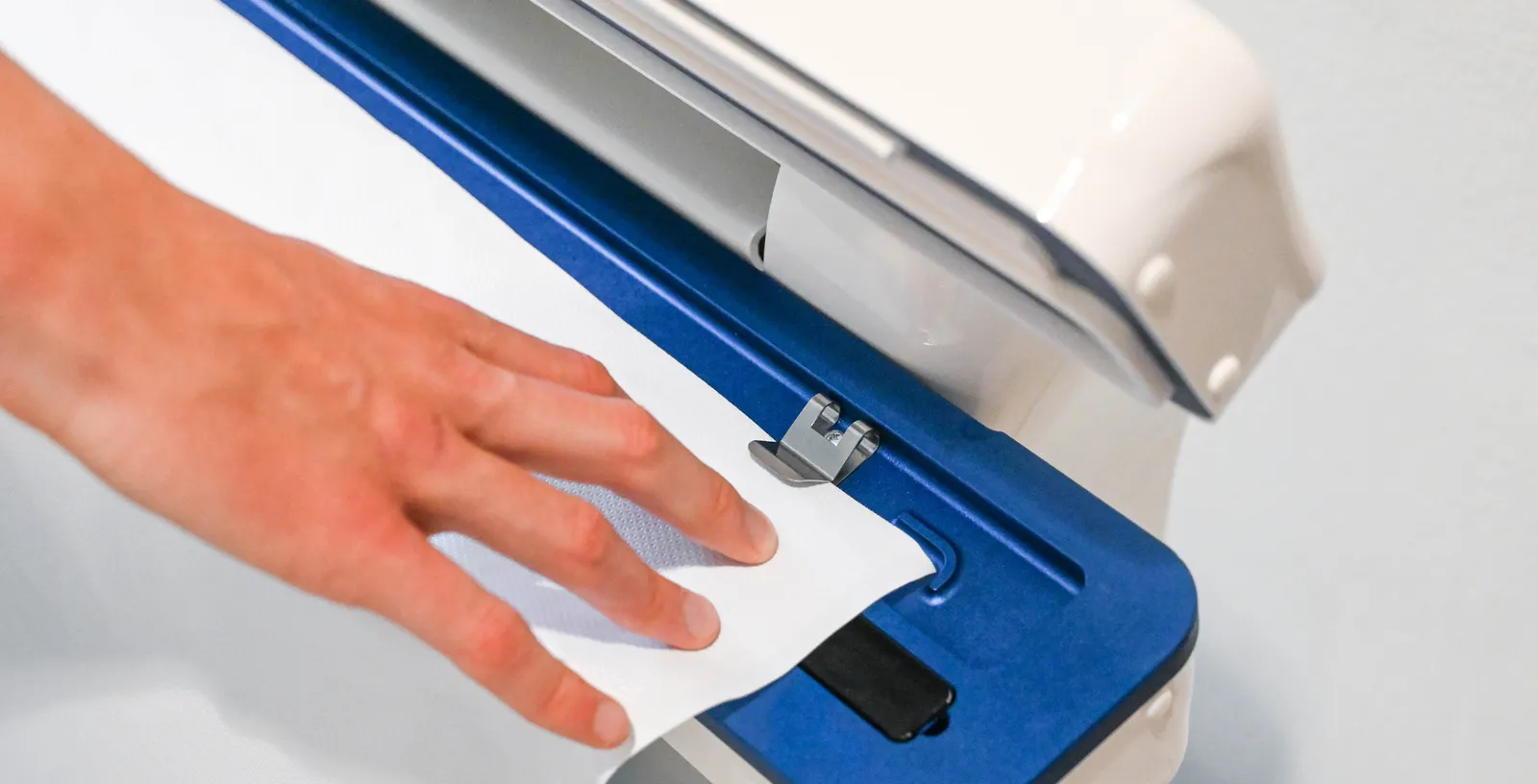
Iso-Air: removes air and seals
The Iso-Air extracts the air from the Iso-Bag, filters it and seals the bag. Sealed bags take up much less space, so fewer trips to the bin store are needed.
Iso-Pads: single-use liners
Disposable bedpan and urinal liners with an absorbent pad, so this waste can be contained and disposed of in the same sealed process.
Dignity, not just disposal
Continence care is some of the most personal care anyone receives. The way a home handles what happens afterwards should reflect that.
When waste is contained at the point of care and sealed before it moves, it isn’t carried open through shared spaces or left to linger in corridors. It becomes far less likely to be something residents, visitors or staff have to notice.
Residents keep their dignity. Your team gets a simpler, more contained routine. And the home feels like a home.

At a glance
Less2Care focuses on the steps between care delivery and waste collection.
- Continence waste contained at the point of care delivery
- Foot-operated collection, so hands stay free
- Airtight, watertight Iso-Bags that help keep odour in
- Air extracted and filtered, with bags sealed for compact storage
- Less waste volume and fewer trips to the bin store
- Uses no water, keeping pulp and medication residue out of the water system
- Supports good infection prevention and control practice
- Simple to learn for permanent, agency and new staff
- Supplied, installed and supported across the UK and Ireland by Spark Care
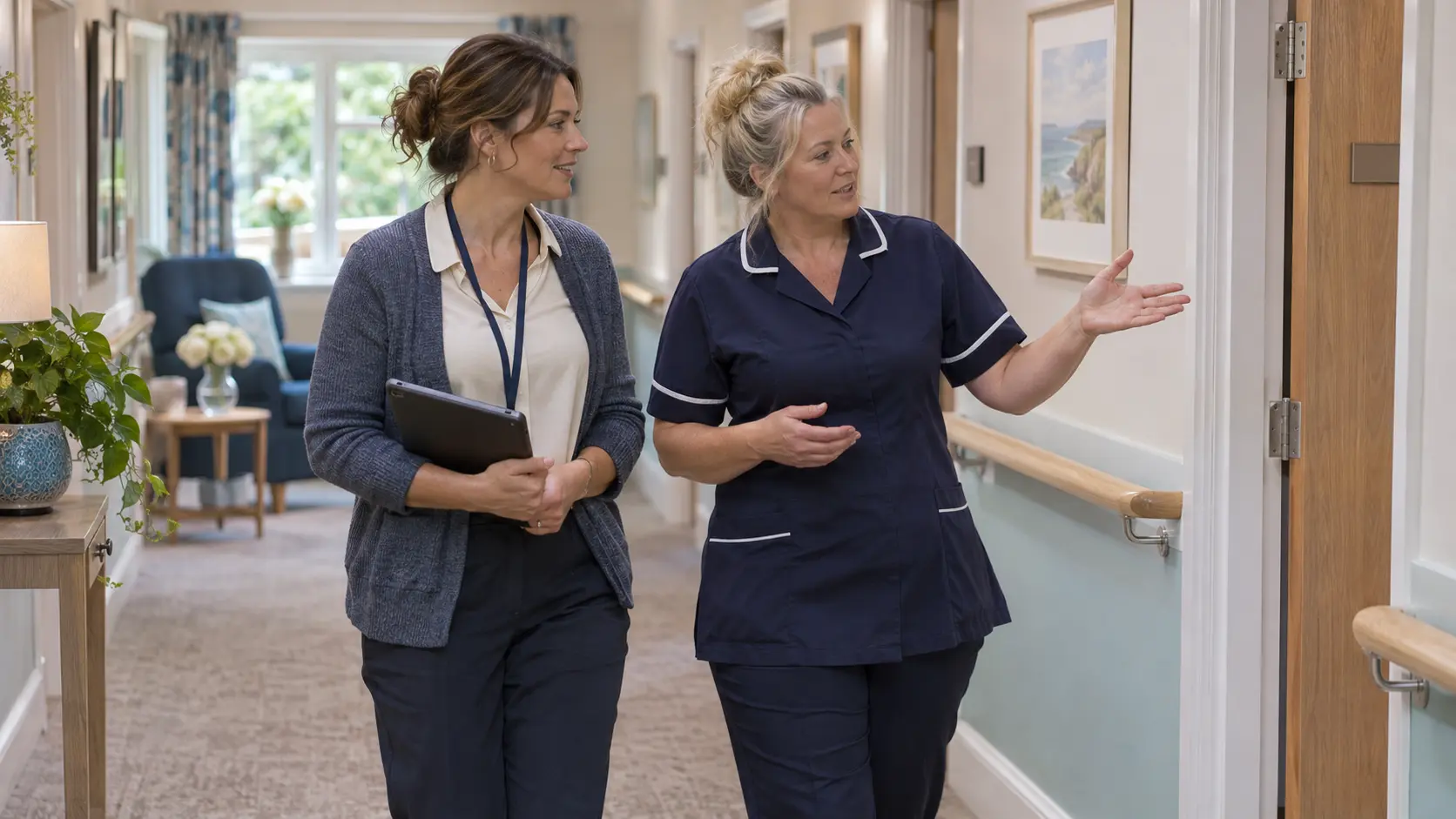
We walk the building with you before anything arrives, looking at units, corridors, sluices and storage so the system fits how your home actually works.
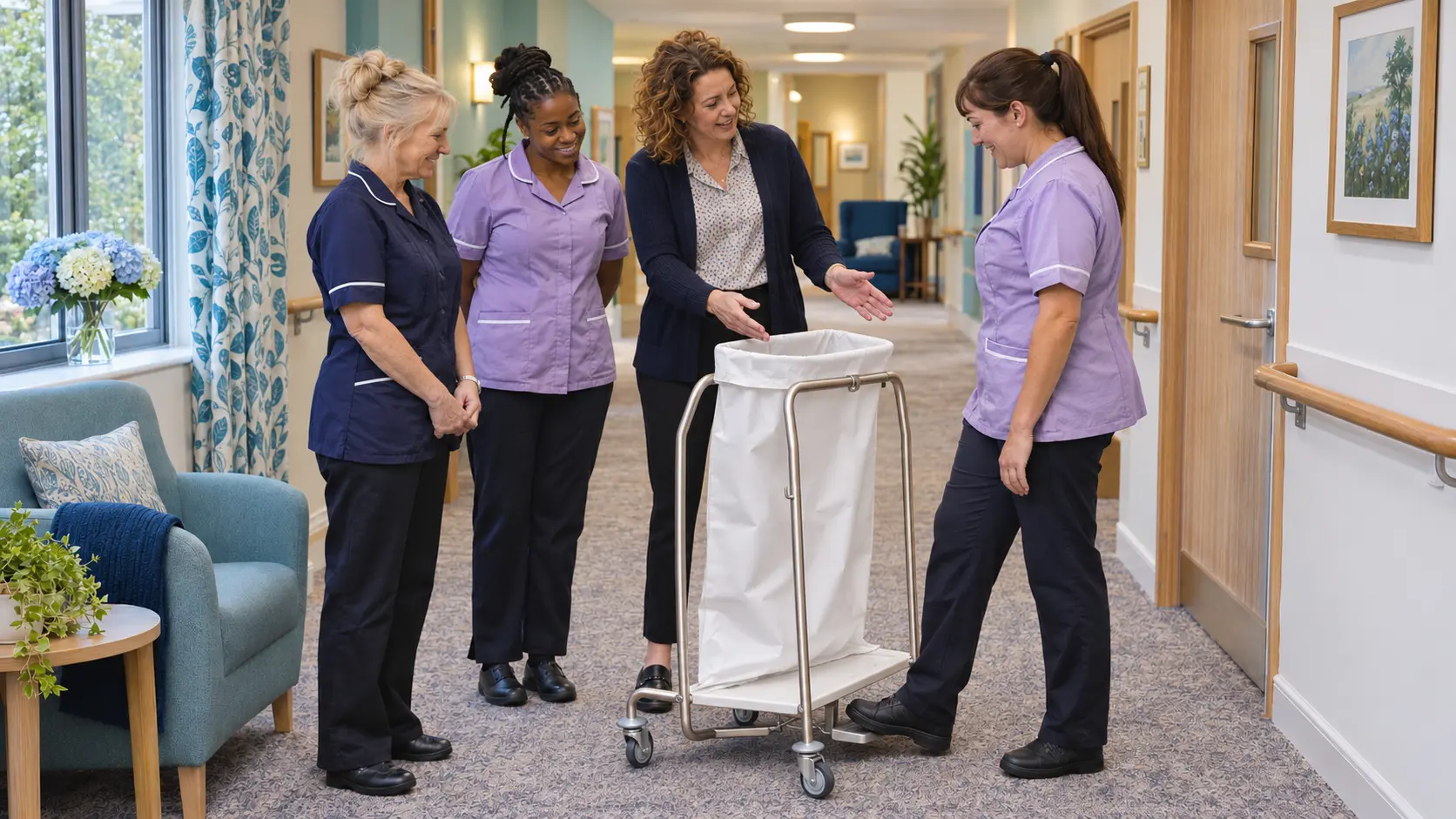
Time on the floor with the people who will use it, including night staff and housekeeping. We’ll help update procedures and check how the routine is bedding in.
The questions your IPC lead will ask
Practical questions to work through with your team and waste contractor before adopting a new process.
Does this replace our clinical waste contract?
No. Less2Care changes how waste is collected and stored inside the home. Your waste contractor still collects it. Iso-Bags come in tiger and orange, so they fit the offensive and infectious waste streams you already use. We’d recommend a quick conversation with your contractor about the sealed bags, and we’re happy to help with that.
Will we need to update our IPC procedures?
Yes, but it’s straightforward. We’ll help you update your continence care and waste-handling procedures so the new routine is clear for everyone, including agency staff.
Is it hard for staff to use?
No. Collection is foot-operated and the routine is simple. We train on the floor with the people who will use it, across day and night shifts.
Does it need any building work?
We plan placement with you during the site survey, including where the Iso-Air will sit and what it needs to run, so the system fits your building.
How does it support inspection?
It helps you show clear, consistent infection prevention practice around continence waste, and a real commitment to dignity. It won’t do the work for you, but it makes good practice easier to see.
What about servicing and warranty?
Servicing, support and warranty are set out clearly in your proposal, so you know what’s covered before you commit.
Is it suitable for dementia care?
A calmer, fresher environment with fewer disruptions can be especially valuable for people living with dementia. We’ll talk through the needs of your residents during the site visit.
Do we still need a sluice?
Yes, for other tasks. But continence waste no longer has to go through it, which takes pressure off sluices and macerators. For new builds, it can mean less sluice provision to plan for, and we’re happy to talk that through with your design team.
One part of a calmer home
Less2Care sits alongside the wider Spark Care ecosystem: quieter corridors with Nursecall Messaging Service (NMS), better sleep with LYS circadian lighting, and earlier awareness with fall detection and wellbeing sensing.
Each solution should fit the needs of the home and the systems already in place.
How this usually starts
Every home is different, so the starting point is understanding your current routine and what you need to improve.
A conversation
Talk through how continence care works in your home today, where waste goes and what your team finds hardest.
A demo visit
Arrange a visit to see how the system works and how it could fit your home.
A clear proposal
A clear proposal setting out equipment, installation, training, consumables and ongoing support.
Dignity at the point of care
Join us on Wednesday 18 November at 2pm for a 45-minute webinar. Mal Whitham walks through how continence waste moves through a typical home today, and what changes when it’s contained where care happens.
Where to start
The most useful first conversation isn’t about equipment. It’s about the route a used pad takes through your home, and what that means for your residents and your team.
If Less2Care is the right answer, we’ll show you how it works. If it isn’t, we’ll say so.