
Case study UK care homes
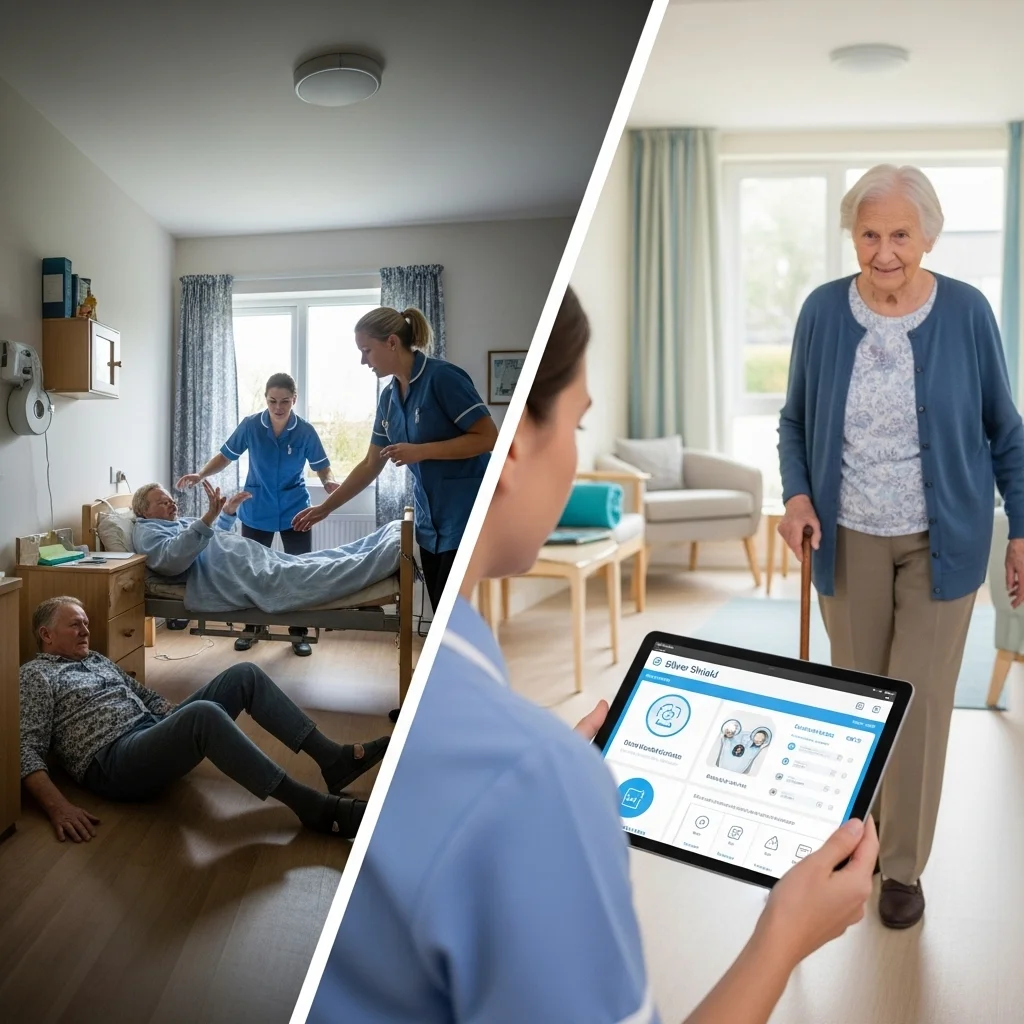
Case study: from unwitnessed falls to earlier awareness
Three homes, one shared worry
The three homes in this case study are very different: a 40-bed care home, a 60-bed residential and dementia home and a 37-bed nursing home, spread across West Sussex, the Midlands and Scotland. At their request, they remain anonymous.
But when we first spoke to their managers, they described the same worry, and it was always about the night. Fewer staff, low light and residents at their most vulnerable. In all three homes, the hardest moments were the ones nobody saw.
The challenge
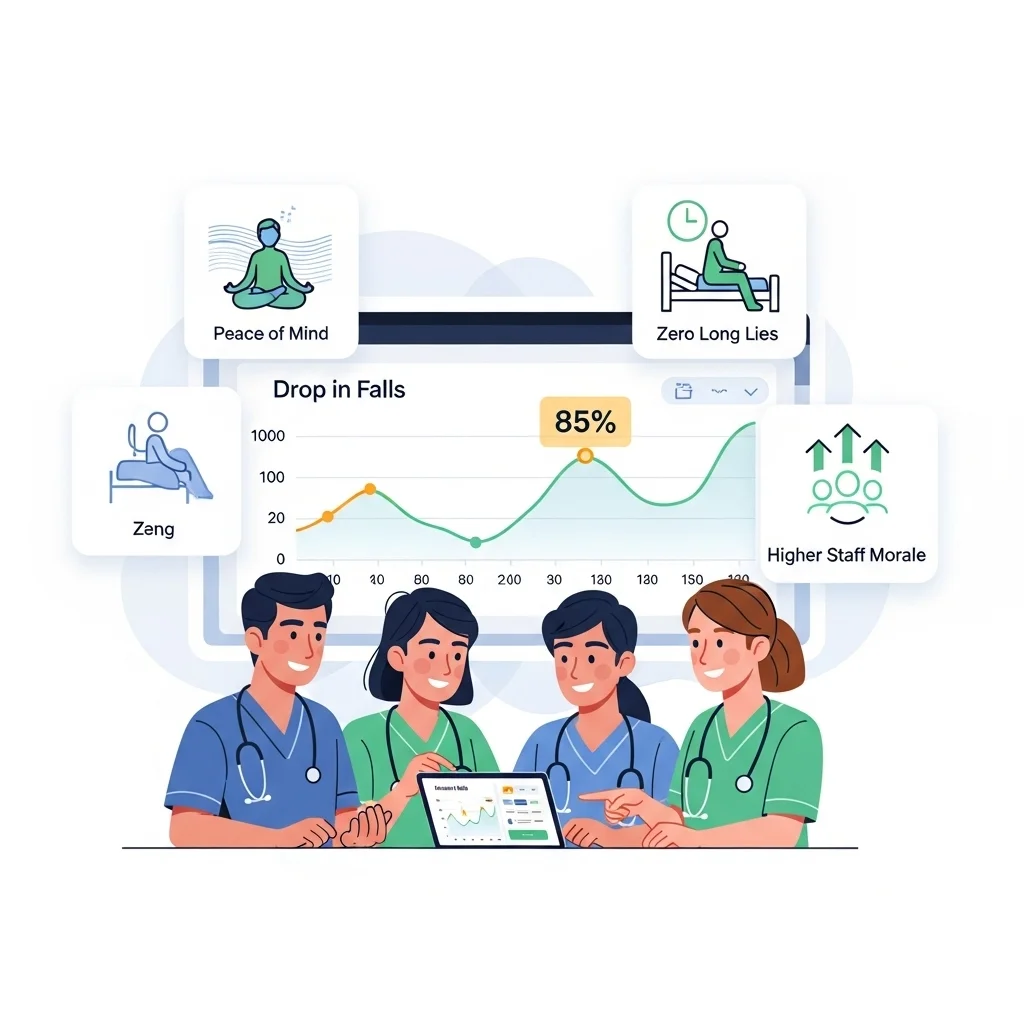
Unwitnessed falls, with residents found at the next night check
Long lies, occasionally leading to safeguarding alerts
Hours spent investigating, and families upset by not knowing
The solution
Pilots of five to ten rooms in each home
Privacy-first sensing, with no cameras, microphones or wearables
Alerts for falls and out of bed activity from day one
The results
Staff alerted when someone gets up or falls
People reached much faster, eliminating long lies
Happier families, with clear answers about what happened
Rolled out home-wide in all three homes
The challenge: not knowing
Unwitnessed falls
Like many homes, all three relied on scheduled night checks. Between those checks, a resident could get up, fall and not be found until the next check came. When that happened, nobody could say for certain when the fall had occurred, or how long the person had been on the floor.
That gap matters. The longer someone lies on the floor after a fall, the greater the risk to their health, their confidence and their recovery. A long lie isn’t just a clinical risk. It’s frightening and undignified for the person it happens to. In these homes, long lies occasionally led to safeguarding alerts, adding to the pressure on managers and staff.
Getting up without support
Staff also had no way of knowing when someone who needed assistance was getting out of bed. Some residents were at higher risk of falling if they mobilised on their own, particularly at night, but unless a member of staff happened to be passing, there was no chance to offer help before they stood up.
Difficult conversations with families
When a resident was found after a fall, families understandably wanted to know what had happened. Too often, the honest answer was that the home didn’t know exactly. Families were upset, and staff felt the weight of not being able to give them the reassurance they deserved.
Hours spent investigating
For managers, every unwitnessed fall meant an investigation. They spent hours interviewing staff and going back through records to work out when the person might have fallen, often without ever reaching a clear answer. That was time taken away from leading their teams and supporting residents.
Why the homes chose privacy-first sensing
The homes wanted earlier awareness, but not at the cost of dignity. Cameras in bedrooms weren’t something they, or their residents and families, wanted. Wearable devices rely on people remembering to wear and charge them, and they’re often removed, particularly by people living with dementia.
Spark Care fall detection uses privacy-first sensing mounted in the room. There are no cameras, no microphones and nothing for the resident to wear. It quietly detects movement, presence and falls, and alerts staff when someone needs help.
How it was put in place
Each home began with a focused pilot of between five and ten rooms, chosen where residents were most at risk of unwitnessed falls. Each installation was configured around the home’s own layout and routines.
Fall and out of bed alerts worked from the day of installation. Over the first two weeks, a Learning Mode period allowed the system to understand each room before reporting and trends began.
After seeing the difference during the pilot, all three homes chose to roll fall detection out across the whole home.
What changed
Knowing when someone is getting up
Staff now receive an alert when a resident who needs assistance gets out of bed. That gives them the chance to go and offer support before the person tries to walk unaided, rather than finding out only after something has gone wrong.
Knowing when someone has fallen
When a fall does happen, staff are alerted and can reach the person much faster. Alerts are verified before they’re sent, so they’re timely rather than instant, and the Prolonged Floor Presence Alert flags when someone remains on the floor. Residents are no longer being found on the next night check with no way of knowing how long they’ve been there, and the homes have eliminated long lies.
Clear answers for families
When a resident falls, the home can now tell their family when it happened and how quickly staff responded. Families who were once upset by not knowing now have the reassurance of a clear, factual account.
Less time investigating, more time leading
Managers no longer have to rely on interviews and guesswork. They can see when someone got out of bed, when a fall was detected and when staff arrived, so investigations are quicker and clearer. The same information helps leaders spot patterns over time and gives them clear evidence of response for safeguarding reviews and inspection.
Night checks without waking anyone
Teams have also found a quieter way to carry out night checks. Using the live view, staff can see whether a resident is settled in bed from outside the door, without opening it or switching on a light. Residents who are sleeping well stay asleep, and staff still have the reassurance they need.
What other homes can learn
- Start with the risk. Focus first on the rooms and residents where unwitnessed falls and unsupported mobilising are most likely.
- Invest in the people, not just the sensors. Training across every shift, especially nights, is what turns alerts into faster, calmer responses.
- Use the information. The value isn’t only in the alert. It’s in the clearer picture it gives managers, families and inspectors over time.
- Keep people at the centre. Technology supports professional judgement and good care. It never replaces them.
Family feedback
“Dad gets up in the night and he isn’t steady on his feet. Knowing the staff are alerted when he’s up has given us real peace of mind.”
Son of a resident, 60-bed residential and dementia home
Frequently asked questions
What is a long lie?
A long lie is when someone remains on the floor for a long period after a fall, often an hour or more. It can lead to serious complications and is distressing for the person.
Does fall detection prevent falls?
It can’t stop every fall. What it does is alert staff when someone is getting up or has fallen, so they can offer support sooner, and help leaders spot patterns that inform prevention.
Do residents have to wear anything?
No. The sensing is mounted in the room, with no cameras, microphones or wearables.
How quickly does it start working?
Fall and out of bed alerts work from installation. Reporting and trends start after a two-week Learning Mode period.
See what earlier awareness could mean for your home
If unwitnessed falls, night-time risk or long investigations are familiar in your home, we’d be glad to talk it through. Book a consultation and we’ll help you see where earlier awareness could make the biggest difference.