From Bells to Intelligence: Why Digitising Nurse Call Systems Is Now Essential for Care Homes
For decades, nurse call systems have been a quiet constant in care homes.
A button by the bed.
A pull cord in the bathroom.
A light on the corridor panel.
They’ve done their job. They’ve helped staff respond. They’ve reassured residents that someone will come.
But the reality inside care has changed, and the technology underpinning many nurse call systems hasn’t kept pace.
Staffing pressures are higher.
Residents are living with more complex needs.
Night-time risk is harder to manage.
And expectations from regulators and families are sharper than ever.
This is why more providers are now asking a difficult but necessary question:
Is our nurse call system still supporting safe, dignified care… or is it quietly holding us back?
What Are Nurse Call Systems and Why They Matter So Much
At their core, nurse call systems exist for one reason: to connect a person who needs help with someone who can provide it.
In a care home setting, they underpin:
- Resident safety
- Reassurance and dignity
- Response times during critical moments
- Staff coordination, especially at night
- Accountability when something goes wrong
A nurse call system is often the first thing families ask about on a tour and one of the first things inspectors notice when they walk the building.
It isn’t just infrastructure.
It’s a visible signal of how a home manages risk, responsiveness, and respect.
The Limits of Analogue Nurse Call Systems
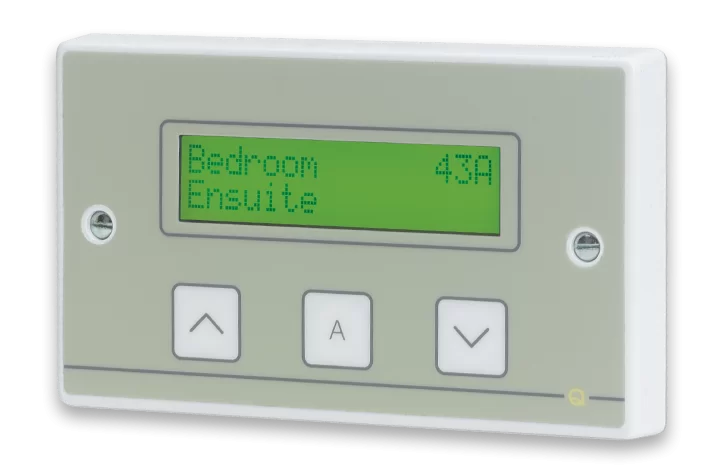
Many care homes still rely on analogue nurse call systems. These systems usually work through hard-wired buttons and pull cords connected to corridor lights or a central panel.
They aren’t broken.
But they are limited.
Analogue nurse call systems typically:
- Trigger a basic alert with no context
- Rely on staff physically attending the location to understand what’s needed
- Offer no prioritisation between urgent and routine calls
- Provide little or no reporting capability
- Depend heavily on memory, paper notes, and manual handovers
In practice, this means staff are often responding blind.
They know someone has called.
They don’t know why.
They don’t know how urgent it is.
They don’t know
Why Digitising Nurse Call Systems Is Now a Necessity, Not a Nice-to-Have
Digitising nurse call systems isn’t about chasing shiny technology. It’s a response to the real pressures providers are facing today.
Staffing pressures
When teams are stretched, walking the building to interpret alerts wastes precious time. Digital nurse call systems give staff information upfront so they can act with confidence.
Safeguarding accountability
Care providers are increasingly expected to evidence not just that they responded, but how and when they responded.
CQC scrutiny
Inspections are shifting towards systems, learning, and consistency. Verbal reassurance is no longer enough. Evidence matters.
Family expectations
Families want reassurance that their loved one will be heard quickly and appropriately, especially at night.
Digitisation brings visibility where analogue systems rely on assumption.
What a Digital Nurse Call System Actually Changes
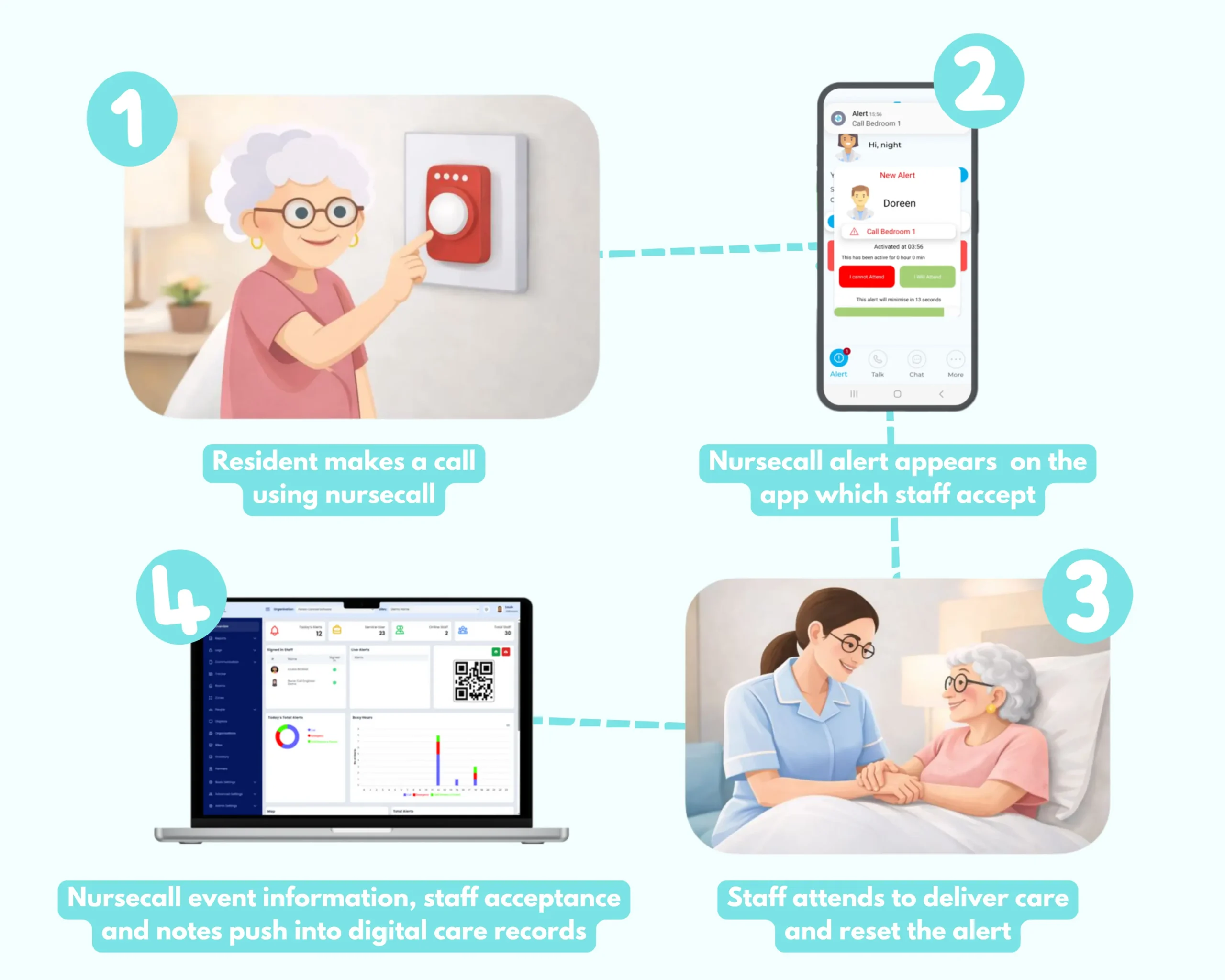
A digital nurse call system doesn’t just move alerts onto a screen. It changes how risk, response, and reassurance are managed across the home.
Clear call context
Staff can see where the call came from and what type of call it is, rather than responding blind.
Mobile alerts
Calls are sent directly to carers’ handheld devices, reducing noisy corridors and missed alerts.
Prioritisation and escalation
Urgent calls can be flagged and escalated automatically if not answered within a defined timeframe.
Automatic logging
Every call, response, and resolution is recorded without relying on paper logs or memory.
Response time visibility
Managers can see patterns, pressure points, and opportunities to improve staffing or workflows.
Reduced alarm fatigue
Fewer false or ambiguous alerts means staff can focus on what truly matters.
The result is calmer, more predictable care environments for residents and staff alike.
Digitisation Is About Integration, Not Replacement
One of the biggest misconceptions about upgrading nurse call systems is that it means ripping everything out and starting again.
In reality, modern digital systems are designed to integrate.
They connect with:
- Mobile devices used by care teams
- Digital care planning platforms
- Fall detection technology
- Wider safeguarding and reporting tools
This matters because risk in care rarely exists in isolation.
A fall, a bed exit, a call for help at night, and a delayed response are all connected. Digitised nurse call systems allow those connections to be seen and managed rather than hidden across separate systems.
The Shift in CQC and Safeguarding Expectations
While regulations don’t mandate specific technologies, expectations around evidence, oversight, and learning have shifted.
Inspectors increasingly look for:
- Clear escalation processes
- Evidence of response times
- Audit trails following incidents
- Learning from near misses
- Systems that support staff judgement rather than rely on heroics
Digital nurse call systems support this quietly and consistently.
They don’t change the care.
They make the care visible.
Common Fears About Digitising Nurse Call Systems (and the Reality)
It’s completely normal for providers to hesitate. Let’s address the most common concerns honestly.
“It’ll be disruptive”
Phased upgrades allow homes to digitise without upheaval, often building on existing infrastructure.
“Staff won’t like it”
When systems reduce walking, noise, and uncertainty, staff usually become advocates very quickly.
“It’s too expensive”
Analogue systems often hide their cost in inefficiency, risk, and incident fallout. Digital systems focus investment where it makes the biggest difference.
“Our current system works”
Working isn’t the same as supporting. The question isn’t whether the system functions, but whether it reflects the reality of care today.
What to Look for When Upgrading Nurse Call Systems
Not all digital nurse call systems are created equal. When reviewing options, providers should look beyond features and focus on fit.
A strong system should offer:
- Digital-first architecture
- Mobile alerts as standard
- Clear reporting and dashboards
- Integration with other care technologies
- Privacy-preserving design
- UK-based support with real care sector understanding
Above all, it should support staff, not surveil them.
How Spark Care Approaches Digitised Nurse Call Systems
At Spark Care, we work with providers who want technology to fit care, not the other way around.
Our approach to nurse call systems is rooted in lived experience of care environments and the realities of frontline work.
We support digital nurse call systems through Charis and Alto Enhance (NMS), which enable:
- Mobile-first call handling
- Clear escalation pathways
- Integration with care planning systems
- Calm, privacy-first workflows
- Reporting that supports learning, not blame
Crucially, these systems don’t exist in isolation. They integrate with fall detection and wider safety technology to create joined-up visibility across the home.
This means fewer blind spots, especially at night, and more confidence for staff, managers, and families.
Digitisation as a Care Decision, Not a Tech Decision
Digitising nurse call systems isn’t about being more modern.
It’s about being more prepared.
More responsive.
More defensible.
And ultimately, more human when it matters most.
The homes leading the way aren’t chasing technology. They’re choosing clarity over assumption and support over strain.
If you’re reviewing your nurse call system, the most important question isn’t what does it do?
It’s does it truly support the way care happens here?
If that question gives you pause, it’s probably time for a conversation.
If you’d like to explore what digitising nurse call systems could look like in your home or group, Spark Care is always happy to talk through options, realities, and next steps without pressure or jargon.