
When the macerator breaks down: practical alternatives for care homes
What to do when the macerator is out of action, and how to rely on it less in the long run.
Every registered manager knows the feeling. The macerator has stopped working, the engineer can’t come until tomorrow, and the unit still needs to run as normal. Bedpans, urinals and commodes are in use, and the team needs to know what to do.
Here’s a practical guide to getting through the day safely, and to relying less on a single machine in the long run.
Try it in your home for four weeks
We loan the equipment, check in every week, and you decide at the end whether it’s right for your team.
Why it hits so hard
In many homes, the sluice is built around one or two pieces of equipment. A pulp macerator disposes of single-use pulp bedpans, urinals and commode liners. A bedpan washer disinfector cleans and disinfects reusable ones. Each is matched to the type of equipment the home uses, so when one goes down, there’s rarely an easy swap.
Both rely on water, drainage, power and regular servicing. When any of those fail, waste starts to build up, staff improvise, and the risk of splashes and cross-contamination goes up.
What to do on the day
- Agree an interim routine with your IPC lead straight away, and make sure every shift knows it, including night and agency staff.
- Avoid sending everything to another unit’s sluice without a plan. It moves the problem and adds journeys through the home.
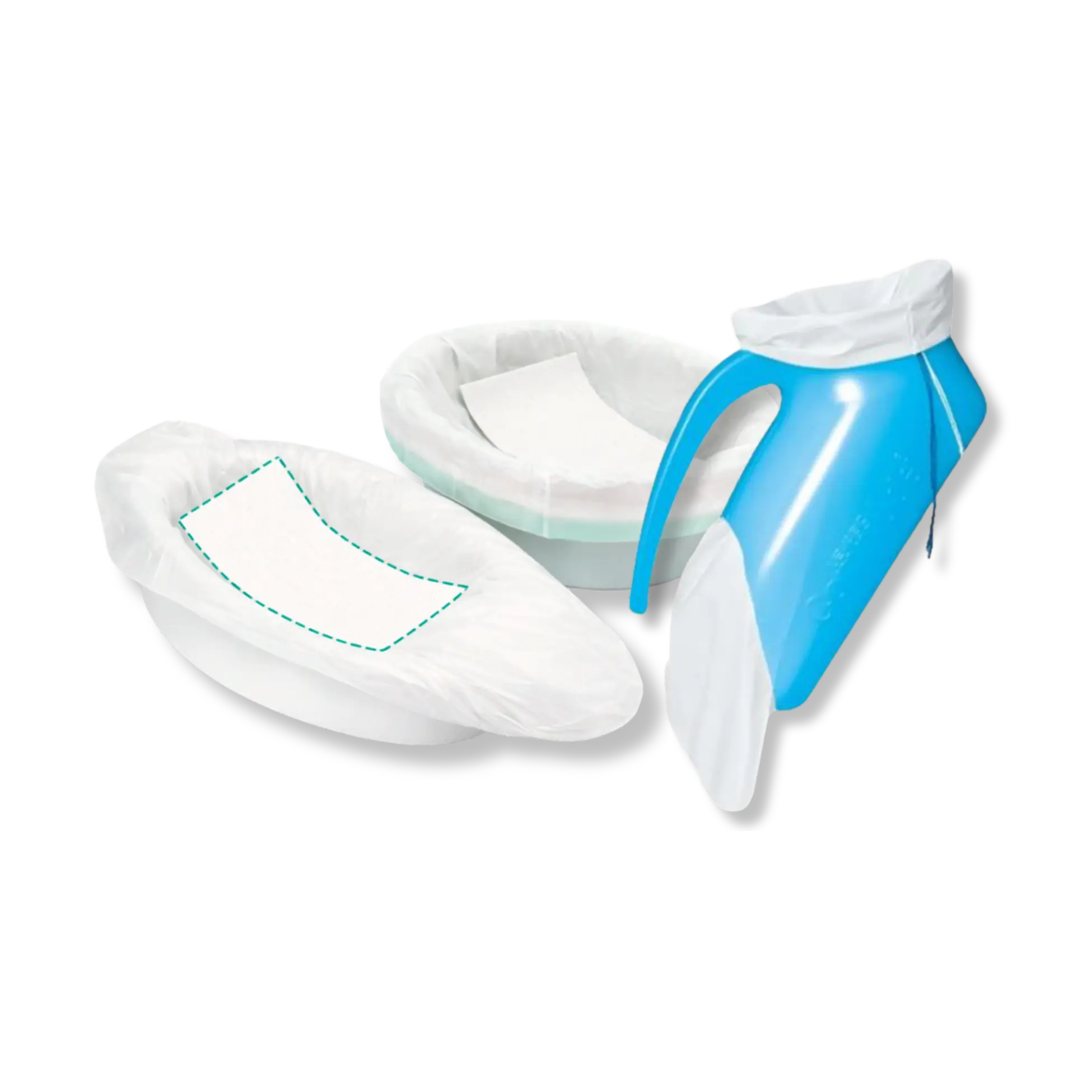
- Where possible, use liners for bedpans, commodes and urinals so waste can be contained and closed, rather than emptied.
- Only wash equipment by hand if your home has a risk-assessed procedure for it, and follow it carefully.
- Keep waste closed while it waits for disposal. Open containers and bags let odour into shared spaces.
- Log the breakdown, the interim measures and the repair, so you have a clear record.
Common reasons for downtime
Breakdowns happen, but some causes come up again and again:
- items going into the macerator that shouldn’t, such as wipes or continence products
- limescale, particularly in hard water areas
- servicing that slips when budgets or staffing are tight
- drainage problems in older buildings
A clear list of what can and can’t go in, a regular servicing schedule and a quick check at handover can all help keep equipment running.
Relying less on the macerator in the long run
The most useful question isn’t how to fix the macerator faster. It’s how much of your waste needs to go through it in the first place.
Continence products are a large share of the waste a care home produces, and they were never meant for the macerator. Waste from bedpans, commodes and urinals can often be contained in a liner with an absorbent pad, then closed and disposed of in the right waste stream, rather than carried to the sluice and emptied.
When continence waste is contained at the point of care and sealed before it moves, the sluice becomes one part of the routine rather than the whole of it. Breakdowns are less disruptive, staff make fewer journeys and there’s less pressure on ageing equipment.
For new builds and refurbishments, it’s also worth asking how much sluice provision a home really needs, and where it should be.
For more on how sluice rooms are changing, see The sluice room in care homes: what it’s for, and what’s changing.
Questions to ask before you replace sluice equipment
If a macerator or bedpan washer is coming to the end of its life, it’s a good moment to step back before ordering a like-for-like replacement:
- How much of what goes through it today actually needs to?
- Where on the building do most journeys to the sluice start, and how far are they?
- What happened on the unit the last time it broke down, and how long did it take to recover?
- How would your routine change if most continence waste was sealed at the point of care?
- What do your IPC lead, your night staff and your housekeeping team think? They often see things others miss.
The answers might confirm you need the same again. Or they might show that a different way of working would take more pressure off the team.
How Less2Care can help
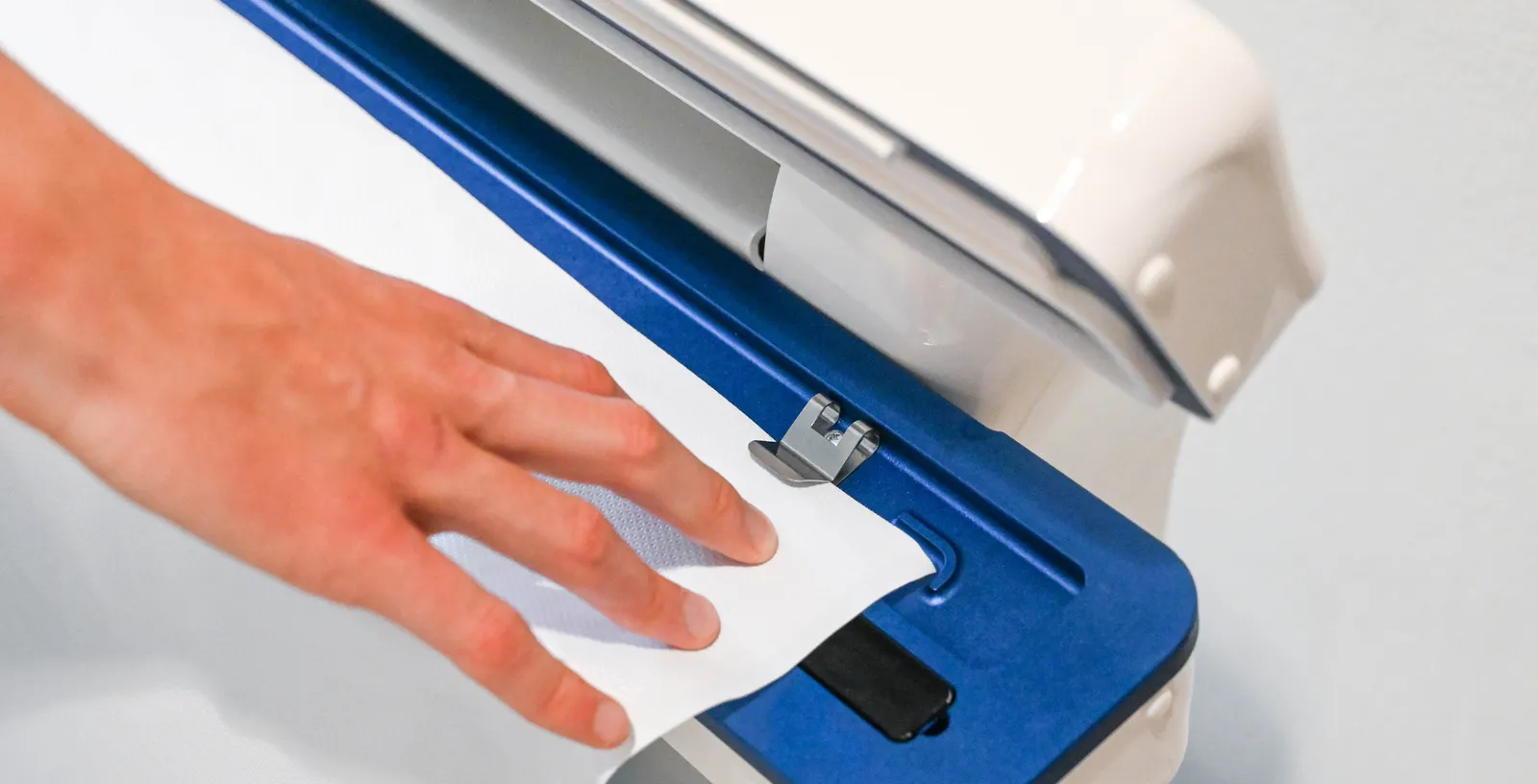
Less2Care contains continence waste where care happens. Iso-Pads liners turn liquid into gel, so waste from bedpans, commodes and urinals can be closed with a drawstring rather than emptied. Used pads and liners go into a closed, foot-operated collector beside the resident, and the Iso-Air seals the bag before it leaves the unit.
The Iso-Air doesn’t use water, so no pulp goes down the drain. It doesn’t replace your sluice, but it means continence waste no longer has to go through it, so a macerator breakdown becomes far less of a crisis.
If you’d like to talk it through, we can walk the building with you and look at how waste moves through your home today.
Questions care teams ask
What can go in a pulp macerator?
Only what the manufacturer says it’s designed for. That usually means single-use pulp bedpans, urinals and bowls, along with their contents. Wipes, gloves, continence pads and plastics are common causes of blockages, so it helps to keep a clear list on the sluice wall.
Can incontinence pads go in a macerator?
No. Incontinence pads aren’t designed to be macerated and can block the machine and the drains. They belong in the right waste stream, which for most homes is the tiger bag. Our guide to offensive and infectious waste explains more.
What’s the difference between a macerator and a bedpan washer?
A pulp macerator breaks down single-use pulp products and flushes them away. A bedpan washer disinfector cleans and disinfects reusable bedpans, urinals and commode pots. Most homes use one or the other, depending on the equipment they’ve chosen.
What should we do if the macerator breaks down at night?
Follow the interim routine agreed with your IPC lead. Use liners where you can, keep waste closed while it waits, and log the breakdown so it’s reported first thing.
How often should a macerator be serviced?
Follow the manufacturer’s recommended schedule and your service agreement. Regular servicing, and a quick visual check at handover, help catch problems before they become breakdowns.
Do we still need a macerator if we use Less2Care?
You’ll still need a sluice for other tasks. But continence waste no longer has to go through it, which takes pressure off the macerator. We’re happy to look at what that means for your home.
Talk it through with us
If you’d like to talk about how continence waste moves through your home, and whether Less2Care could help, we’re always happy to start with a conversation.
This article is general guidance. Always follow your own infection prevention and control policy and the manufacturer’s guidance for your equipment.