Instant Fall Detection vs Delayed Alerts: Why Speed Matters
Introduction: When Every Minute Counts
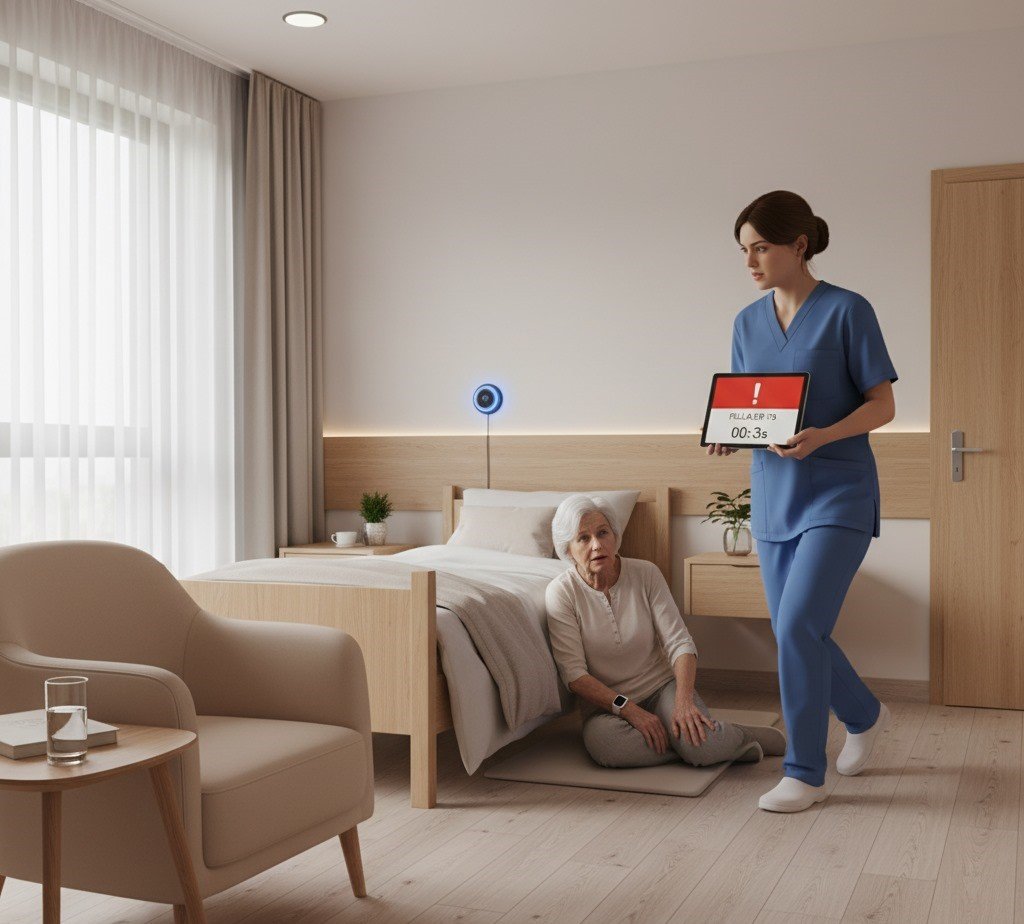
Falls are time-critical. A resident on the floor for 30 seconds is very different from one left for 30 minutes. Yet too many care homes still rely on outdated tools that delay alerts or miss falls entirely.
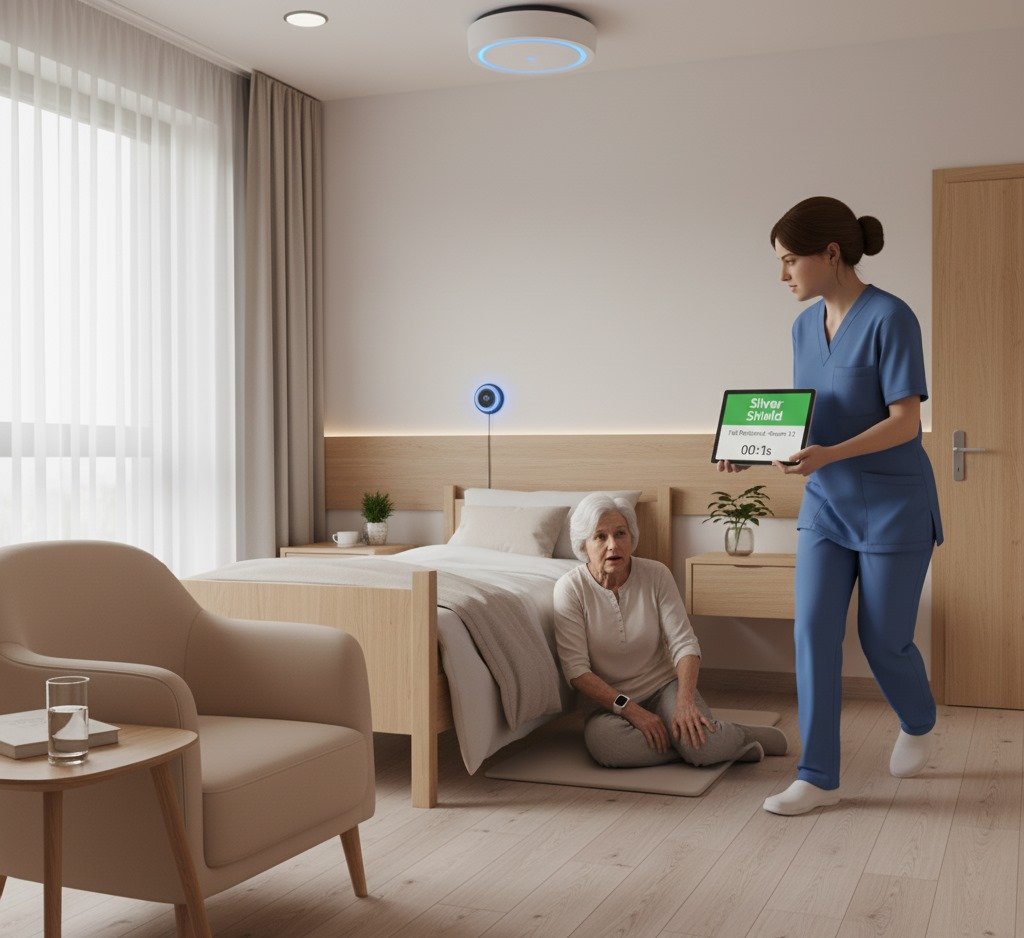
Instant detection changes the equation: staff can respond immediately, reducing harm, long lies, and safeguarding concerns.
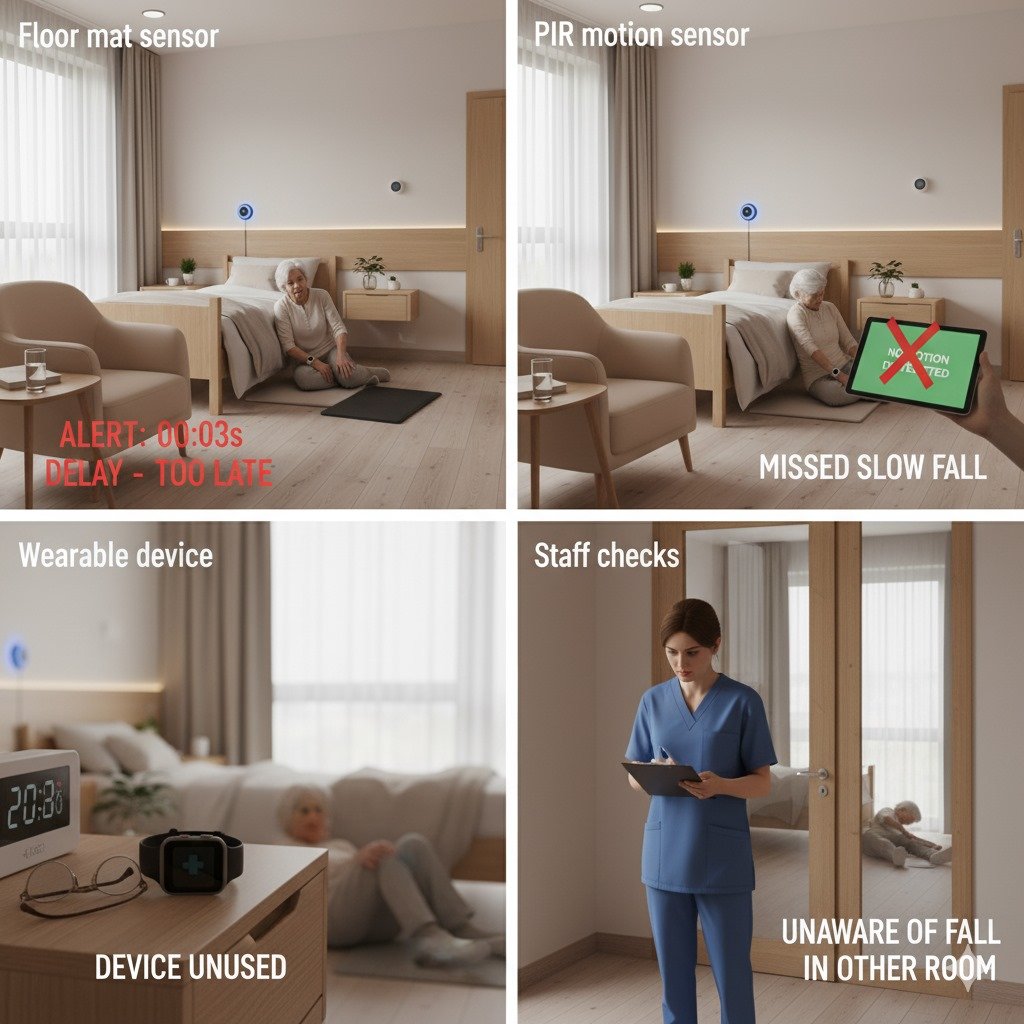
Why Delayed Alerts Happen
Floor mats: trigger late, and only if stepped on.
PIRs: may not detect slow or partial collapses.
Wearables: often removed or left unworn.
Staff checks: leave gaps of 30–120 minutes.
The Cost of Waiting
Public Health England notes that delays in attending falls can double hospital admission rates.
Medical: longer lies mean higher risk of hypothermia, rhabdomyolysis, fractures.
Emotional: fear, loss of confidence, withdrawal.
Operational: more ambulance calls, higher hospitalisation rates.
Why Instant Matters
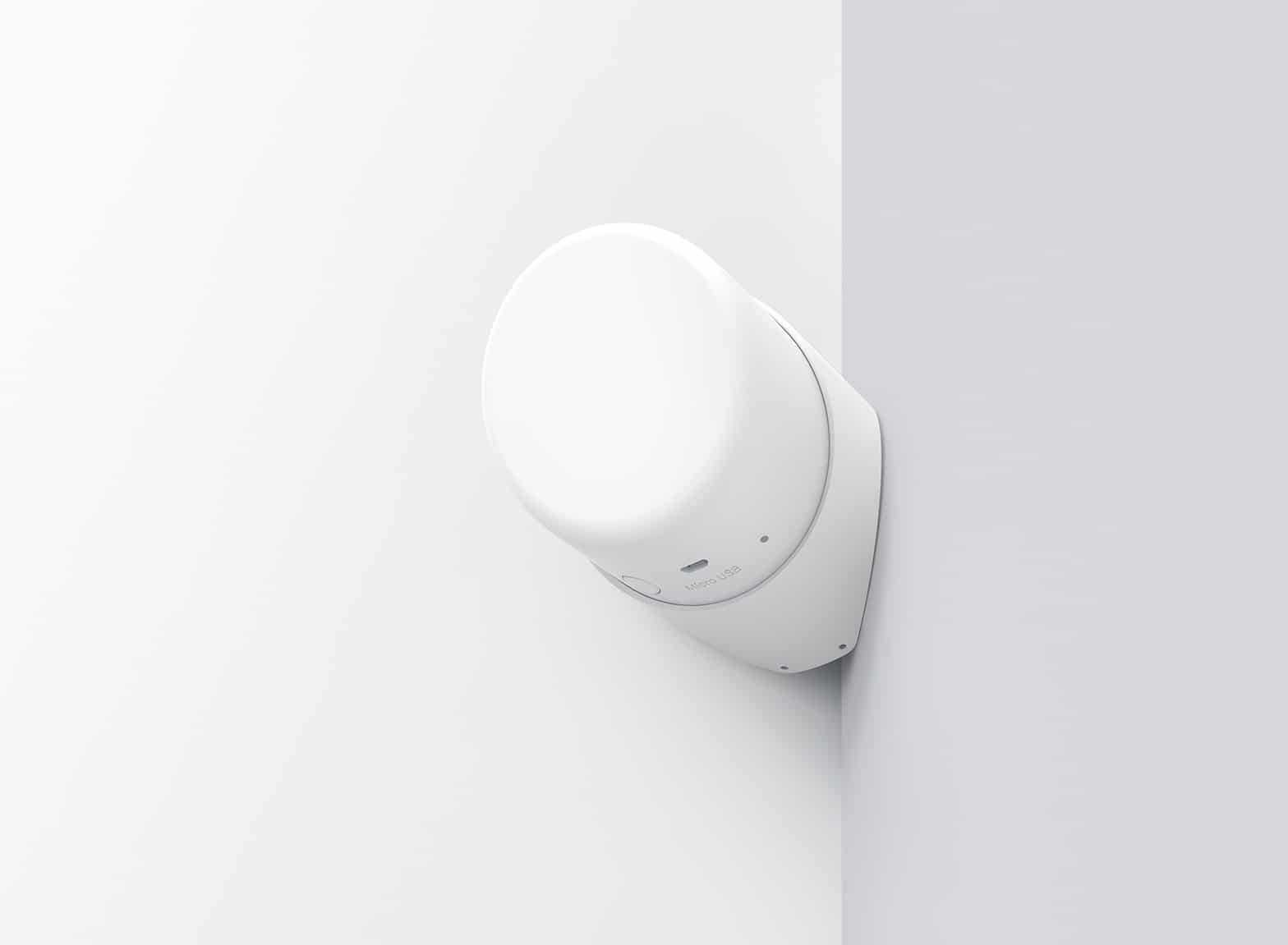
Seconds, not hours: Silver Shield detects falls in real time.
Accuracy: AI filters reduce false positives.
Peace of mind: staff know they won’t miss a fall.
Case Example
One Midlands care home cut response times from 12 minutes to under 2 minutes by switching to Silver Shield, reducing hospital admissions by a third.
Frequently Asked Questions
Can it spot slow collapses?
Yes, mmWave radar captures both fast and gradual falls.
How do staff receive alerts?
Via nurse call integration or mobile dashboards
Does it cover bathrooms?
Yes, sensors are waterproof and provide full coverage.
Conclusion
In falls, time saves lives. With Silver Shield, care homes move from delayed reaction to instant protection.
👉 Book a demo today to see instant detection in action.