
Long Lies CQC
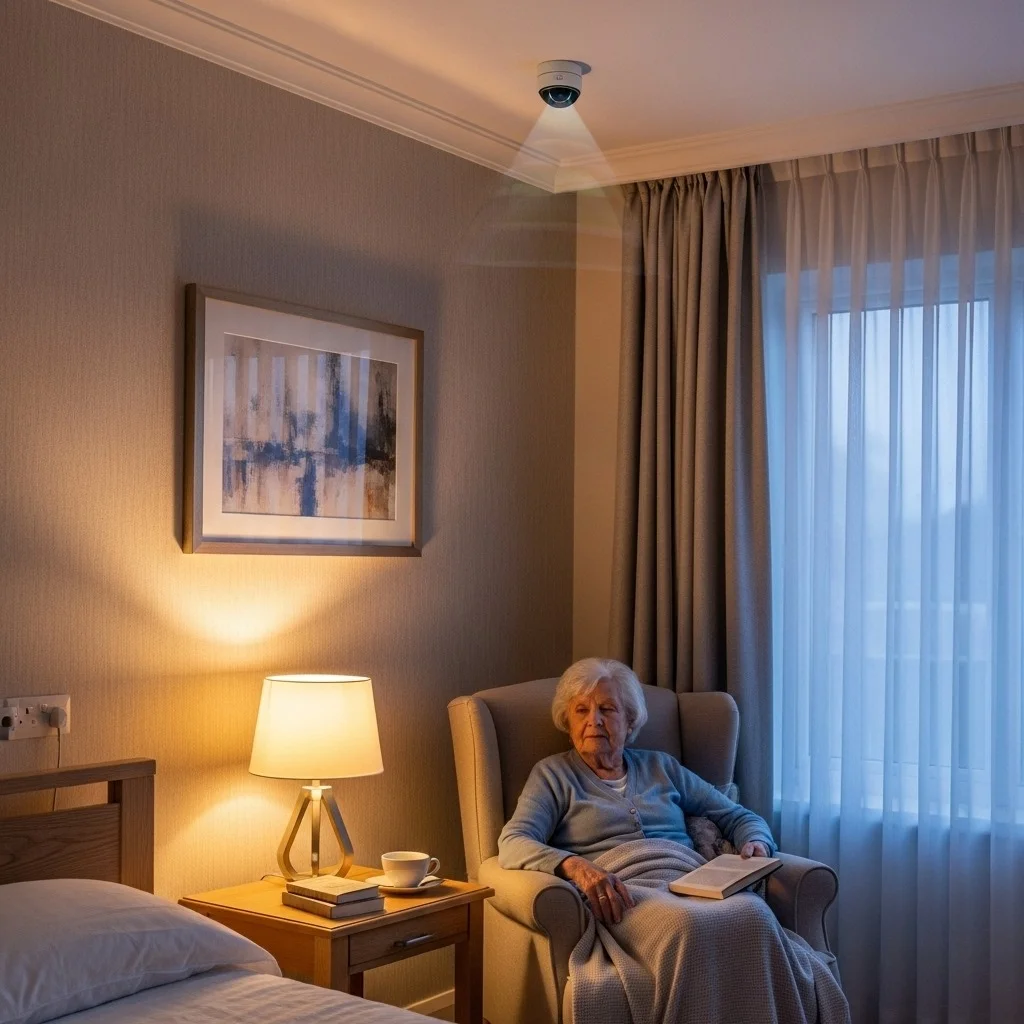
Long Lies in Care Homes:
What They Are, Why They Matter, and How to Prevent Them
What Is a Long Lie?
A long lie is when a person remains on the floor for an extended period after a fall, often because the fall is unwitnessed and staff are unaware they need help.
Long lies don’t need hours to cause harm. Even short delays increase the risk of:
- Hypothermia, particularly at night or on hard floors
- Pressure injuries
- Rhabdomyolysis and muscle breakdown
- Dehydration
- Emotional trauma and distress
- Serious deterioration in frail or clinically vulnerable residents
And when someone is already living with dementia, mobility challenges, or reduced communication, the risks grow even further. Long lies are one of the biggest contributors to avoidable harm in care settings, yet they’re often underestimated because the incident itself wasn’t seen.
This is why long lies sit right at the sharp end of risk — and why tackling them properly matters.
Why Long Lies Are a Major CQC Concern
Impact on resident safety and wellbeing
CQC expects providers to demonstrate that people are safe, protected from avoidable harm, and supported with timely response when something goes wrong. Long lies directly test whether those responsibilities are being met.
When a resident remains on the floor for too long, CQC inspectors look at:
- Why the fall was unwitnessed
- How long the person remained on the floor
- Whether monitoring arrangements were appropriate
- Whether the provider had adequate visibility of risk
- Whether the environment was safe at night
- Whether the incident was avoidable or preventable
A long lie is rarely recorded as “just a fall”. It’s treated as a failure of timely response unless providers can evidence otherwise.
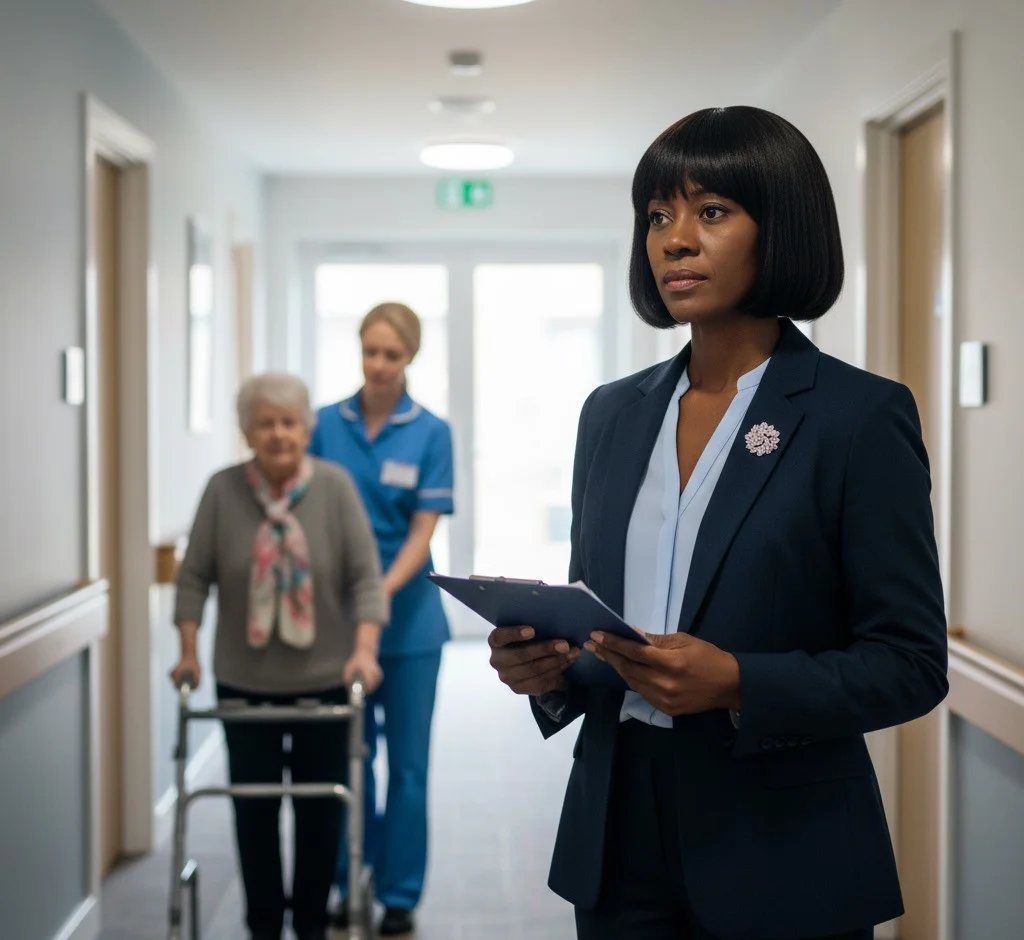
What inspectors expect
providers to demonstrate
During an inspection, CQC typically explores:
- How providers respond to night-time falls
- How quickly staff become aware that someone needs help
- Whether monitoring arrangements are proportionate to the person’s risk
- How decision-making around observation levels is reviewed
- The availability of reliable data to support incident investigations
- Whether technology is used appropriately and safely
Inspectors don’t expect perfection, but they do expect clarity, accountability, and a genuine attempt to reduce unwitnessed falls and long-lie incidents.
How long-lie incidents influence inspection outcomes
Long lies — particularly repeated ones — can contribute to:
- “Requires Improvement” under Safe
- Concerns around staffing levels
- Judgements about leadership oversight
- Questions about whether a provider is learning from incidents
If response times are slow or unknown, it becomes harder for providers to demonstrate safe care.

Consequences of
Long Lies for Residents
Long lies lead to both physical and emotional consequences. Residents may experience:
- Pain and discomfort from lying on a hard surface
- Reduced body temperature
- Reduced circulation and skin damage
- Loss of confidence and increased fear of falling
- Trauma from being unable to get help
- Longer hospital stays
- Functional decline due to prolonged immobility
When a resident experiences a long lie, it impacts more than that one moment. It affects their recovery, their confidence, and sometimes their long-term health trajectory.
Why Long Lies Happen in Care Homes
Night-time staffing pressures
Even the best teams can’t be everywhere. Night shifts are quieter, fewer staff are available, and more falls go unwitnessed.
Blind spots in bedrooms and ensuite bathrooms
Many falls happen:
- Behind furniture
- In ensuites
- When someone tries to get out of bed
- When moving between the bed and bathroom
Without the right visibility, staff don’t always know when something has happened.
Reliance on outdated fall detection methods
Traditional systems have known limitations:
- Bed mats and floor mats only trigger when stepped on
- Wired sensors are often unplugged or moved for cleaning
- Wearables rely on the resident remembering to wear them
- Cameras raise significant privacy and ethical concerns
Unwitnessed falls still happen because older tools were never designed to provide complete room coverage.
How to Reduce Long Lies in Care Homes
Improve visibility into unwitnessed falls
Providers need reliable ways to know when someone is on the floor, whether the fall is fast, slow, or a gentle slide from a chair.
Respond faster to keep residents safe
The difference between a one-minute response and a 20-minute response can be the difference between a mild injury and a hospital admission.
Support safer night-time care
Night shifts benefit the most from technology that offers calm, silent visibility without disturbing sleep or dignity.
How Advanced Fall Detection Technology Helps
This is where Silver Shield becomes genuinely transformative for providers looking to prevent long lies and strengthen their CQC position.
Immediate detection of every type of fall
Silver Shield identifies:
- Fast falls
- Slow, gentle falls
- Slip-from-chair falls
- Collapses where the resident ends up on the floor but didn’t “fall” in the traditional sense
The moment someone is on the floor, the alert is sent. This reduces the risk of long lies dramatically.
Bed and chair exit alerts
Many long lies happen after someone tries to stand or mobilise independently. Silver Shield gives early alerts when:
- Someone attempts to get out of bed
- Someone is about to get up from a chair
- Someone is moving unsafely at night
This helps prevent falls before they occur.
Full room coverage, even in complete darkness
Because Silver Shield uses mmWave technology rather than cameras, visibility is consistent:
- No light needed
- No privacy intrusion
- No blind spots
If a resident falls behind a door or in an ensuite, the sensor still knows.
Reducing response times and time on the floor
Instead of finding someone on the floor during a routine check, staff are alerted the moment it happens. This alone significantly reduces long-lie incidents.
Supporting CQC Evidence with Reliable Data
Silver Shield doesn’t just improve response times. It strengthens the provider’s inspection narrative.
Building a clear timeline of events
Providers can see:
- When the fall occurred
- When the alert was received
- How long the resident was on the floor
- How quickly staff responded
This helps with investigations, learning, and consistency.
Demonstrating proactive risk management
CQC values providers who can show:Providers can see:
- An understanding of risks
- Proactive measures
- Effective use of modern, ethical technology
- Systems that genuinely improve resident safety
Silver Shield helps providers evidence that they’re addressing unwitnessed falls in a meaningful way.
Strengthening your inspection narrative
With reliable fall data and immediate detection in place, providers can clearly explain to inspectors how they minimise long-lie risk and improve outcomes.
A More Accountable and Safer Environment
Reducing long lies isn’t about technology alone. It’s about dignity, quick response, and creating the safest possible environment for residents.
Silver Shield supports teams by giving them the visibility they need, especially at night, and helping them prevent harm before it happens.
When care providers have the tools to spot unwitnessed falls and respond instantly, long lies become far less common — and residents stay safer, more confident, and better protected.
Frequently Asked Questions About Long Lies in Care Homes
What counts as a long lie in a care home?
A long lie is when someone remains on the floor for longer than is safe after a fall, usually because the fall was unwitnessed. Even short delays can lead to hypothermia, pressure injuries, and increased trauma.
Are long lies something the CQC specifically looks for?
CQC doesn’t use the term “long lie” in its framework, but it does expect providers to respond rapidly when someone needs help, reduce unwitnessed falls, and demonstrate that people are protected from avoidable harm. Long-lie incidents are examined closely during inspections.
Why do long lies happen more often at night?
Night shifts naturally have fewer staff, residents mobilise more quickly without supervision, and most falls happen unwitnessed. Visibility is lower and routine checks are spaced out, meaning staff may not know someone has fallen until they’re found on the floor.
What causes long lies during ensuite or bathroom falls?
Ensuite and bathroom falls are common because people move independently at night. These areas are often blind spots for traditional sensors, meaning staff don’t always know when someone has fallen in a confined space.
How does Silver Shield help prevent long lies?
Silver Shield detects fast, slow, and gentle falls instantly, including falls in ensuites or behind objects. It alerts staff the moment someone is on the floor, reducing time spent on the ground and supporting faster response.
Does Silver Shield replace bed mats or floor mats?
Yes. Silver Shield provides full-room monitoring, so it removes the need for outdated mats that can be unplugged, removed, or accidentally triggered. It also offers earlier alerts, such as bed exits, to prevent falls before they happen.
Is Silver Shield ethical to use at night?
Completely. Silver Shield uses mmWave technology rather than cameras. There’s no video, no images, and no intrusion into private spaces. It protects dignity while giving staff the visibility they need to keep people safe.
See How Silver Shield Helps Reduce Long Lies in Real Care Settings
If you’re reviewing falls management or preparing for upcoming CQC scrutiny, I’m always happy to walk you through how Silver Shield is being used across UK care homes to reduce unwitnessed falls, prevent long lies, and support safer night-time care.
We can look at:
- Your home’s layout
- Typical fall patterns
- Night-time challenges
- Response-time improvements
- Integrations with your existing nurse call
No pressure and no hard pitch. Just a grounded conversation about what’s working for providers who want visibility without cameras and safety without complexity.