
Out of bed alerts
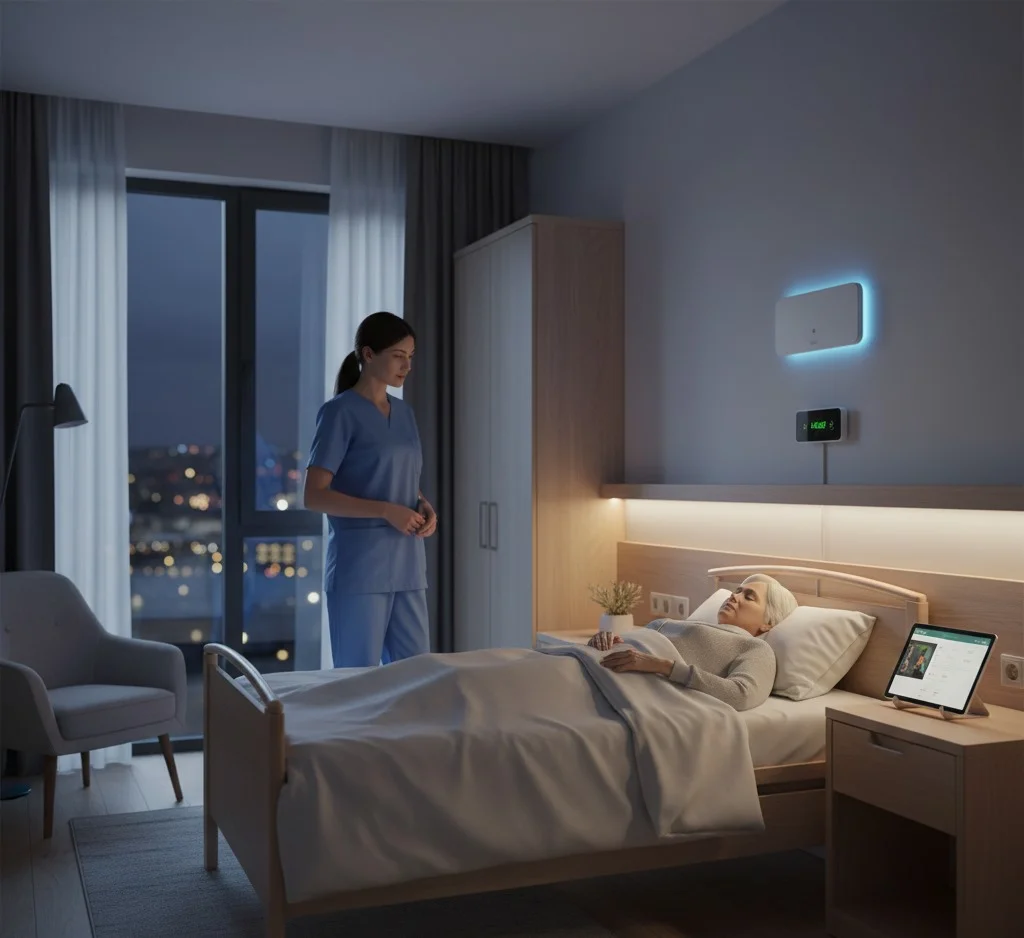
Out of bed alerts: knowing sooner when someone is getting up
Why getting up is a risky moment
Many falls in care homes don’t happen mid-stride. They happen in moments of transfer: getting out of bed, standing up after sleep, or setting off to the bathroom in the dark. For residents who are unsteady, disorientated or living with dementia, those first few steps can be the riskiest part of the night.
Care teams know which residents are most at risk, but they can’t be at every bedside. Traditional tools like pressure mats and bed sensors can help, but they’re often uncomfortable, easy to move, or trigger when nobody needs support.
Out of bed alerts from Spark Care fall detection, fall prevention and wellbeing sensing, powered by Vayyar, let staff know when a resident is getting out of bed, so support can arrive sooner. There’s nothing to wear, nothing under the mattress and no camera in the room.
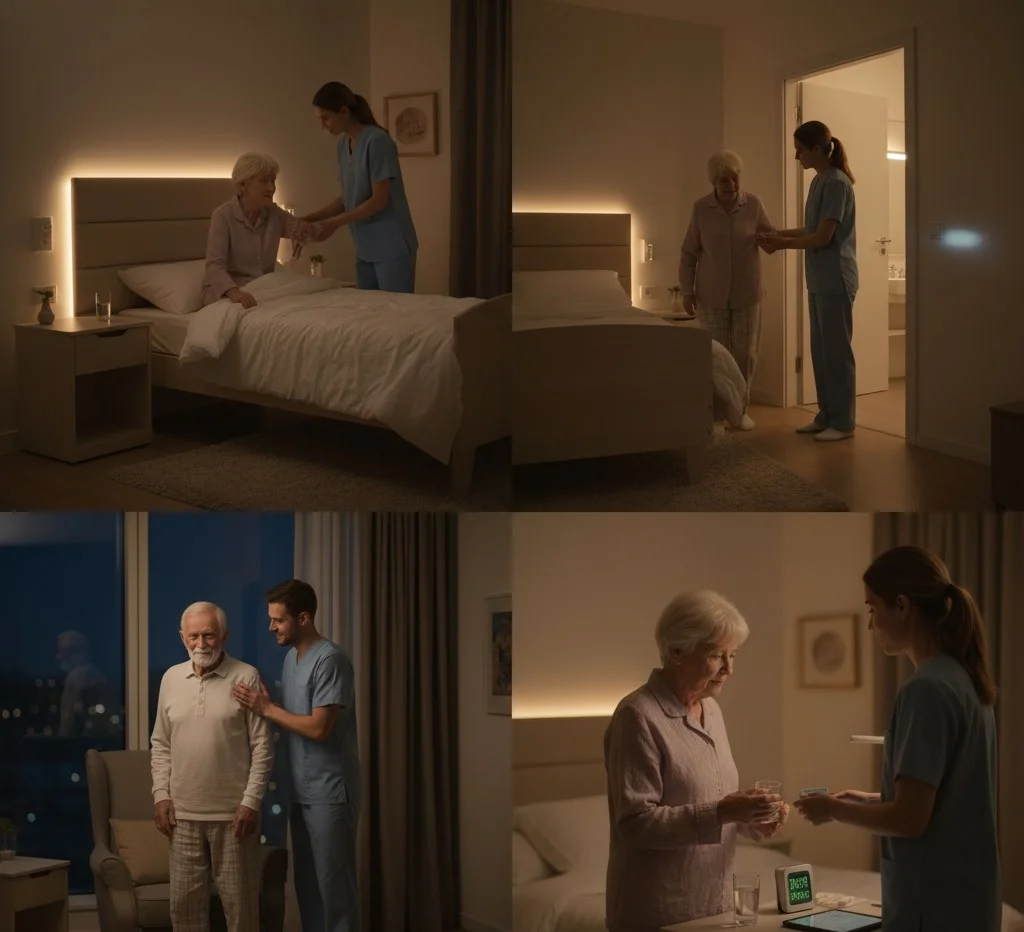
Why getting up can be risky
Night-time trips to the toilet, often in low light
Reduced balance and grogginess after sleep or medication
Walking with purpose, particularly for people living with dementia
How out of bed alerts work
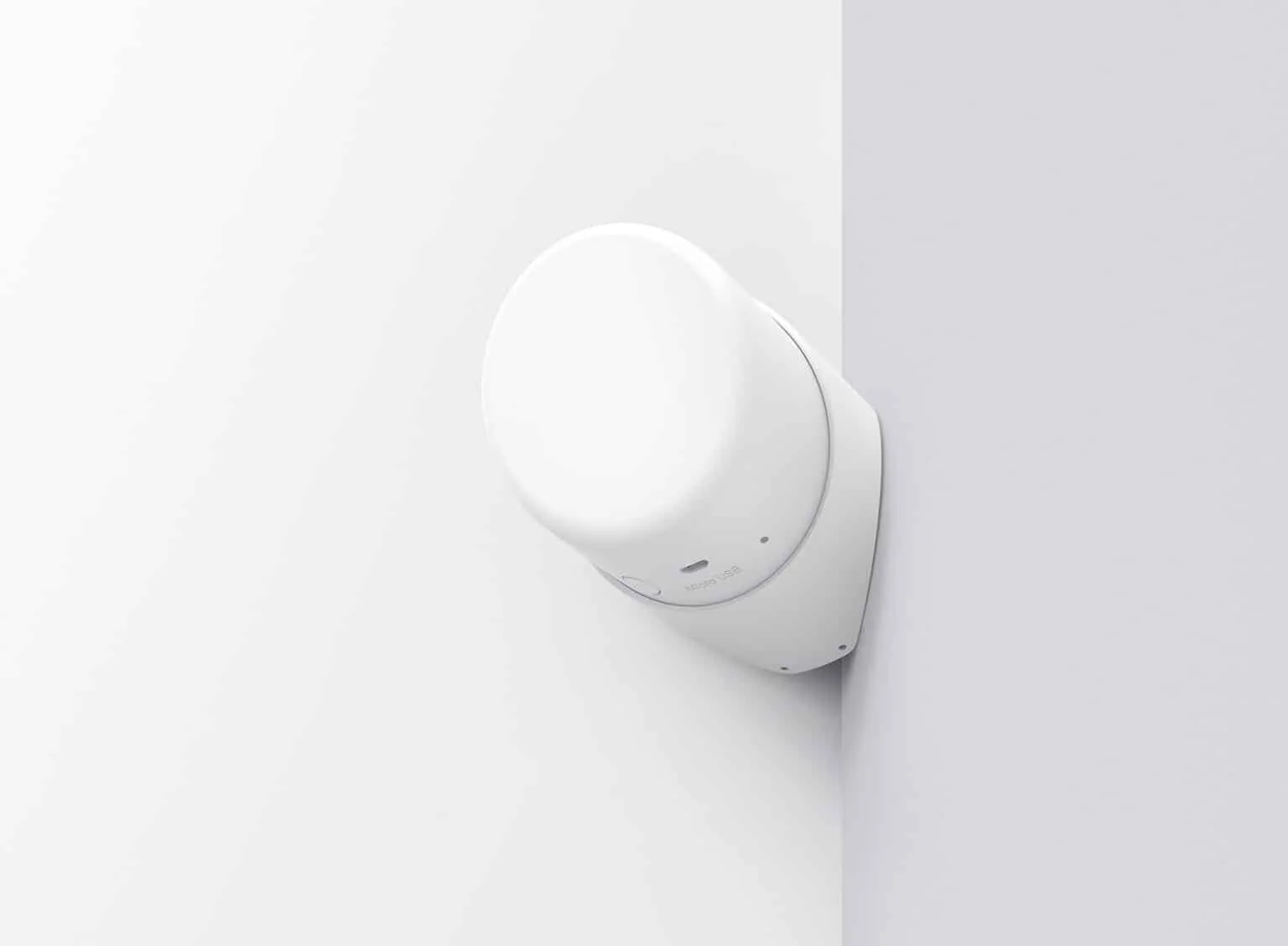
A ceiling-mounted sensor uses radio waves to understand presence and movement in the room. When a resident who needs support gets out of bed, staff receive an alert so they can go and help. Out of bed alerts are active from installation, alongside fall alerts.
The sensing also builds a picture of routine over time, such as how often someone gets up at night or how long they spend in the bathroom. Changes in that pattern can be an early sign that someone needs a review of their care.
No system can stop every fall, and alerts don’t replace your team’s knowledge of each resident. What they do is give staff a better chance of being there at the moment it matters.
What it means for care teams
More confidence on night shifts, with another layer of awareness
Support arriving sooner, before a resident is left alone on the floor
A more proactive way of working, guided by each resident’s routine
Supporting dignity as well as safety
Out of bed alerts are designed to support people, not watch them. Because the sensing doesn’t use cameras or microphones, residents can move around their room without being filmed, and staff only step in when they’re needed. That balance matters, particularly at night, when people are at their most private.
We’ll work with you to decide which residents and rooms need out of bed alerts, and to plan how alerts reach your team. Learn more about fall detection and prevention.
Frequently asked questions about out of bed alerts
Will residents find it intrusive?
Most won’t notice it at all. The sensor is mounted on the ceiling, there are no cameras or microphones, and there’s nothing to wear or place under the mattress.
Can we choose who gets out of bed alerts?
Yes. We’ll work with you to decide which residents and rooms need out of bed alerts, and how those alerts reach your team.
Is it better than a pressure mat?
It avoids some common problems with mats, such as trip hazards, being moved, or triggering when nobody needs help. Some homes still use mats in specific situations, and we’ll talk that through with you.
Are out of bed alerts active straight away?
Yes. Fall and out of bed alerts are active from installation. Reporting and routine insights are set up during the two-week Learning Mode period that follows.
Will it stop all falls?
No system can prevent every fall. Out of bed alerts give staff a better chance of reaching a resident before they’re left alone on the floor, alongside your team’s own knowledge and checks.
Being there when it matters
Most residents who are at risk of falling don’t need someone with them all the time. They need someone to know when they’re getting up. Out of bed alerts help your team be there at that moment, without adding intrusive equipment to the room.
Find out more about fall detection powered by Vayyar, or read our guide to night-time care in care homes.
This guide is part of our fall detection and prevention series. You might also find alarm fatigue in care homes and faster vs delayed fall detection useful.
To keep reading, see our complete guide to fall detection in care homes.