
The sluice room in care homes: what it’s for, and what’s changing
What a sluice room is for, why it’s under pressure in many homes, and what’s changing.
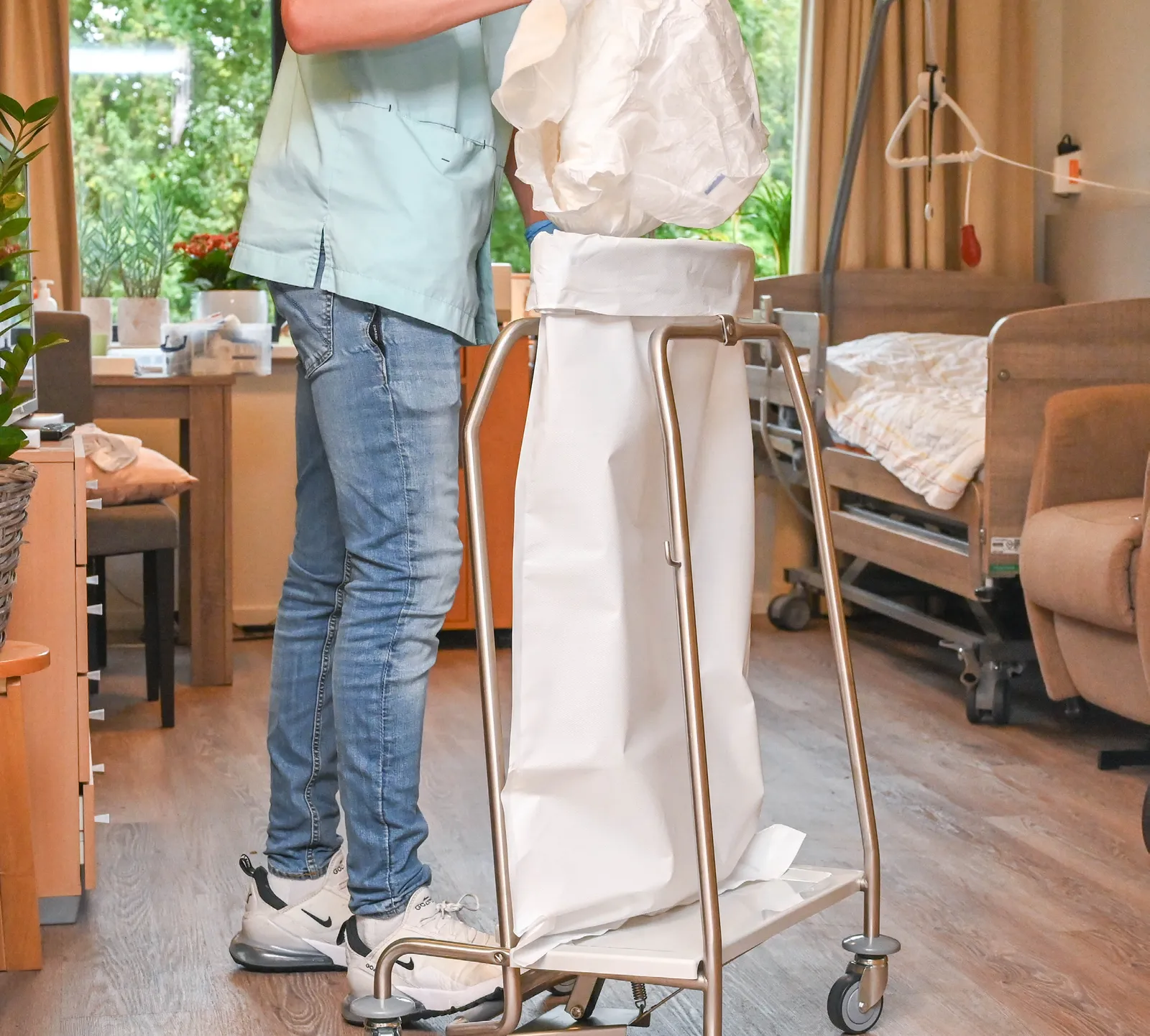
Most people outside care have never heard of a sluice room. Inside a care home, it’s one of the hardest-working rooms in the building. It’s also one that rarely gets much thought until something goes wrong.
Walk the route a used bedpan takes on a busy unit and you start to see why it matters. Every trip to the sluice is time away from residents, an open container carried past bedrooms, and a moment where good infection prevention depends on a tired carer getting every step right.
Try it in your home for four weeks
We loan the equipment, check in every week, and you decide at the end whether it’s right for your team.
What is a sluice room?
A sluice room, often called a dirty or soiled utility room, is where human waste is disposed of and where reusable equipment such as bedpans, urinals and commode pots is cleaned and disinfected.
Most care home sluice rooms hold some combination of:
- a bedpan washer disinfector, for homes that use reusable bedpans and commode pots
- a pulp macerator, for homes that use single-use pulp products
- a sluice sink and a separate hand wash basin
- space for waste waiting to be taken to the bin store
Health Building Note 00-09 sets out what’s expected of rooms like this from an infection control point of view. The key principles are a clear separation between clean and dirty areas, and a workflow that keeps the two apart.
Why it matters more than people think
The sluice room sits right at the point where dignity, infection prevention and staff time meet.
For residents, continence care is some of the most personal support anyone receives. What happens to the waste afterwards should be just as discreet as the care itself.
For staff, the sluice is part of almost every shift. If it’s a long walk away, cluttered, or regularly out of action, it adds friction to work that’s already demanding.
And for managers, it’s one of the places where inspection, audit and everyday practice come together.
The pressures many homes are facing
Many sluice rooms were designed for a different era of care, and the strain shows in a few familiar ways.
Distance. In older buildings, the sluice can be at the far end of a corridor or on another floor. That means more walking and more time with open containers in shared spaces.
Breakdowns. Bedpan washers and macerators rely on water, drainage, power and regular servicing. When one is out of action, the whole unit feels it, and teams have to fall back on interim routines.
Volume. Modern continence products are a large share of the waste a home produces, and they were never meant to go through a macerator. They still need somewhere to go, and too often that means open bags on trolleys or extra trips to the bin store.
Nights. With fewer staff on the unit, every trip away from residents matters even more.
If your macerator or bedpan washer is out of action right now, our guide on what to do when the macerator breaks down may help.
What’s changing
The way the sector thinks about healthcare waste is shifting. The current edition of HTM 07-01, the national guidance on safe and sustainable management of healthcare waste, puts much more emphasis on segregating waste at source and reducing the amount sent for energy-intensive treatment. It sets a target for 60% of segregated healthcare waste to be classed as offensive waste.
Alongside that, more homes are looking at how much continence waste needs to travel to the sluice at all. Instead of carrying waste to a central point, the focus is moving to containing it where care happens, then sealing it before it moves through the home.
For new builds and refurbishments, that raises useful questions about how much sluice provision a home really needs, and where it should be.
Questions worth asking about your own sluice room
You don’t need a big project to learn a lot. A walk-through with your team and a few honest questions can show where the pressure sits:
- How many trips to the sluice does a typical shift involve, and how far are they?
- What happens when the macerator or bedpan washer is out of action?
- Where do used pads go, and how long do bags sit open on the unit?
- Is there a clear separation between clean and dirty items?
- Do night staff and agency staff follow the same routine as day staff?
The answers usually point to small changes that make a real difference, whatever equipment you have.
Where Less2Care fits
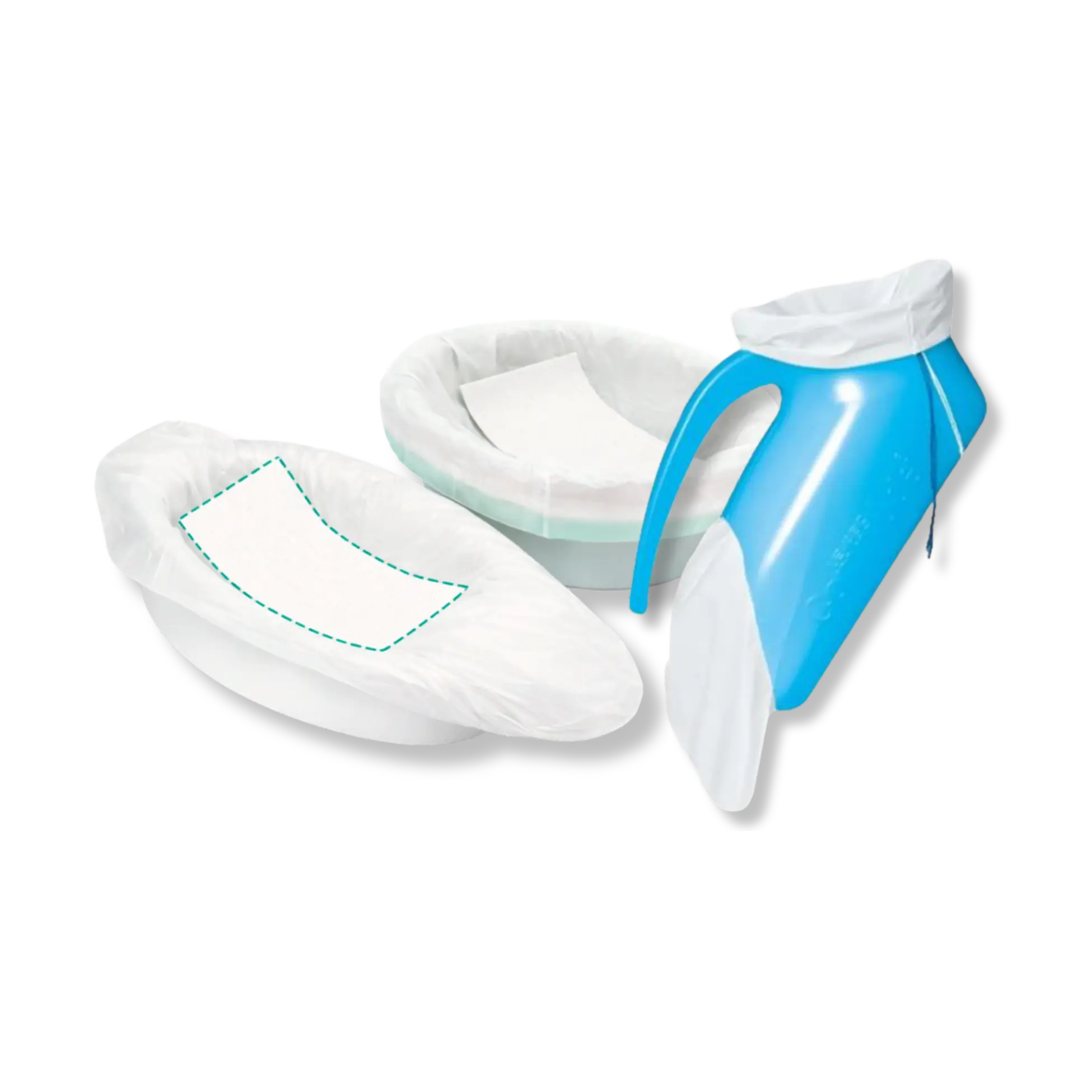
Less2Care is designed for the steps between the pad change and the bin store. Used continence products go straight into a closed, foot-operated collector beside the resident. Iso-Pads liners mean waste from bedpans, commodes and urinals can be contained and closed too, rather than carried to the sluice to be emptied. When the bag is full, it’s sealed before it leaves the unit.
It doesn’t replace your sluice. You’ll still need one for other tasks. But it means much of your continence waste no longer has to go through it, which takes pressure off ageing equipment and gives your team fewer journeys.
If you’d like to talk through how continence waste moves through your home today, we’re always happy to start with a conversation.
Questions care teams ask
What is a sluice room?
A sluice room is a dedicated room for disposing of human waste and for cleaning and disinfecting reusable equipment such as bedpans, urinals and commode pots. It usually holds a bedpan washer disinfector or a pulp macerator, a sluice sink and a hand wash basin.
Is a sluice room the same as a dirty utility room?
Yes. Sluice room, dirty utility room and soiled utility room all describe the same space. Guidance documents tend to say dirty utility, while most care teams simply call it the sluice.
What equipment does a care home sluice room need?
That depends on whether the home uses reusable or single-use equipment. Reusable bedpans and commode pots need a bedpan washer disinfector. Single-use pulp products need a macerator. Most sluice rooms also need a sluice sink, a separate hand wash basin, PPE and somewhere safe for waste waiting to be collected.
Do all care homes need a sluice room?
Most homes that support people with continence care have at least one. How many you need, and where they go, depends on the size and layout of the building and how care is delivered. For new builds and refurbishments, it’s worth involving your IPC lead and design team early.
What shouldn’t be stored in a sluice room?
Clean items. Clean equipment and consumables should be kept in a separate clean area, never alongside dirty items. Keeping the sluice clear of clutter also makes it easier to clean and safer to work in.
Talk it through with us
If you’d like to talk about how continence waste moves through your home, and whether Less2Care could help, we’re always happy to start with a conversation.
This article is general guidance. Always follow your own infection prevention and control policy and the advice of your IPC lead.