
Privacy radar vs cameras

Privacy matters: radar vs camera-based fall detection
Introduction: dignity comes first
Families are clear: they don’t want cameras in bedrooms or bathrooms. Yet safety still matters. Our sensing uses radar rather than cameras, so there are no images and no intrusion.
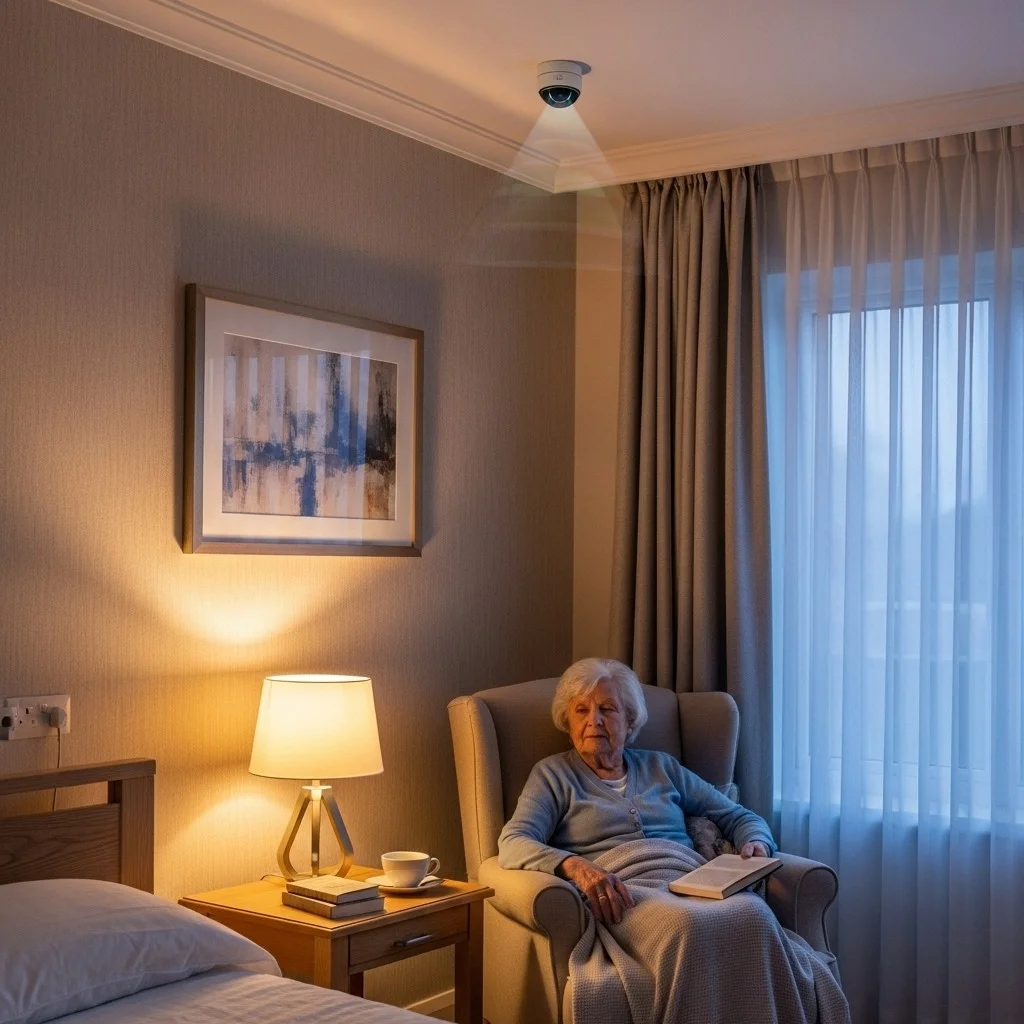

The problem with cameras
Privacy invasion in bedrooms/toilets
GDPR and safeguarding concerns
Anxiety and resistance from families/residents
The difference our approach makes
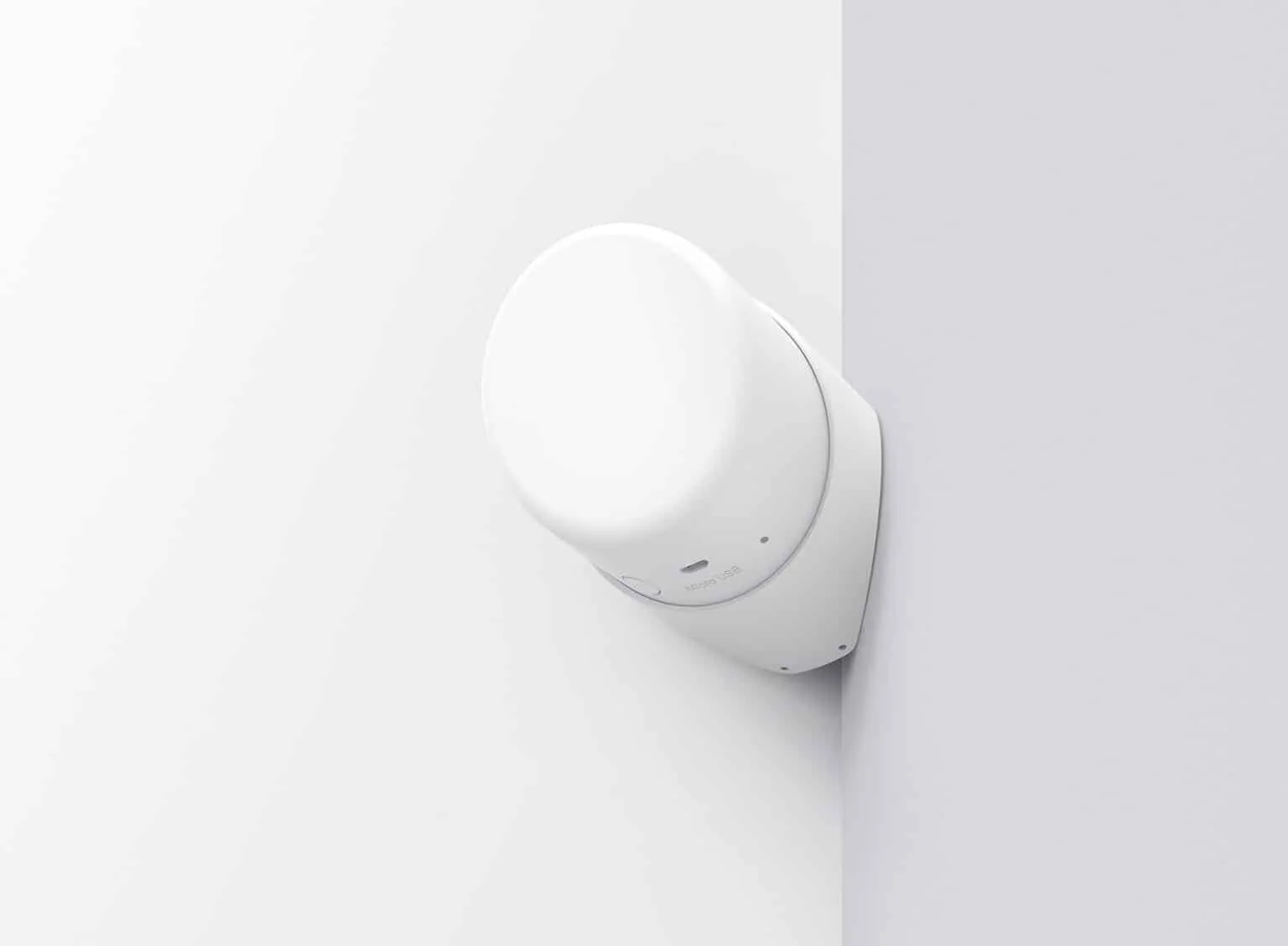
mmWave radar: senses movement, with no visuals
Data only: no images stored or transmitted
GDPR-compliant: privacy protected end-to-end
Why families prefer it
When a home can prove it values dignity as much as safety, trust grows. Families choose providers who avoid intrusive surveillance.
Case example
A London home trialled cameras in communal areas and met resistance. Switching to the sensing reassured families and ended privacy complaints.
Read more: Camera-free fall detection for care homes
Frequently asked questions about long lies in care homes
Can radar see through clothes or walls?
No, it only tracks movement and position within the monitored room.
Is it acceptable under GDPR?
Yes: data is anonymised, no personal imagery captured.
Conclusion
Safety shouldn’t mean surveillance. The sensing supports resident safety without compromising dignity.
👉 Download our privacy-first whitepaper.
This guide is part of our fall detection and prevention series. You might also find bed and chair exit alerts and instant vs delayed detection useful.
To keep reading, see our complete guide to fall detection in care homes and how Spark Care fall detection works in practice.