
Alarm fatigue in care homes
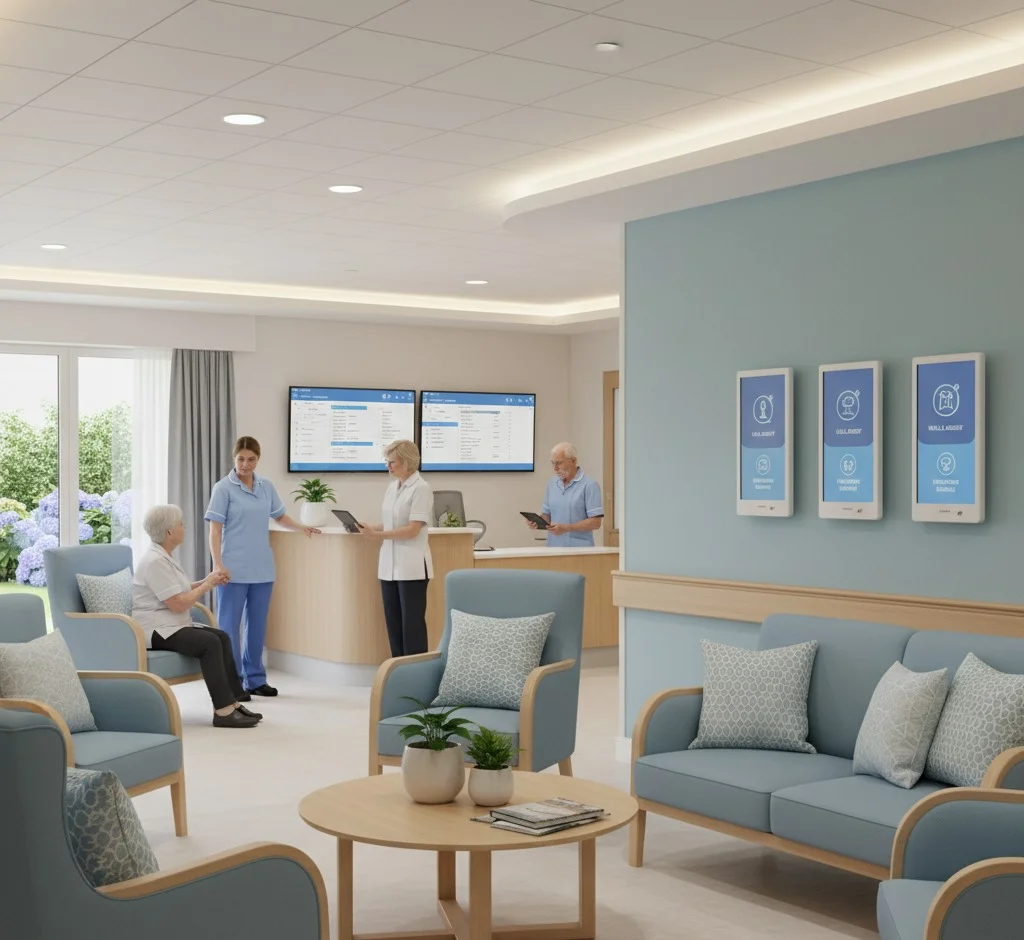
Tackling alarm fatigue in care homes
When every alarm starts to sound the same
Alarm fatigue happens when staff hear so many alarms, buzzers and call bells that, over time, they become harder to tell apart and harder to respond to with the same urgency. It isn’t a failing of the people involved. It’s a natural human response to constant noise, and it builds up quietly over long shifts.
In many care homes, the causes are familiar. Older call bell systems ring out across whole corridors. Pressure mats and sensors trigger when nobody needs help. Several systems each make their own sounds, on their own devices, with no clear sense of which alert matters most. By the end of a night shift, everything can start to sound the same.
For residents, the noise is disruptive too. Sleep is broken by alarms that aren’t theirs, and people living with dementia can find constant sound distressing.
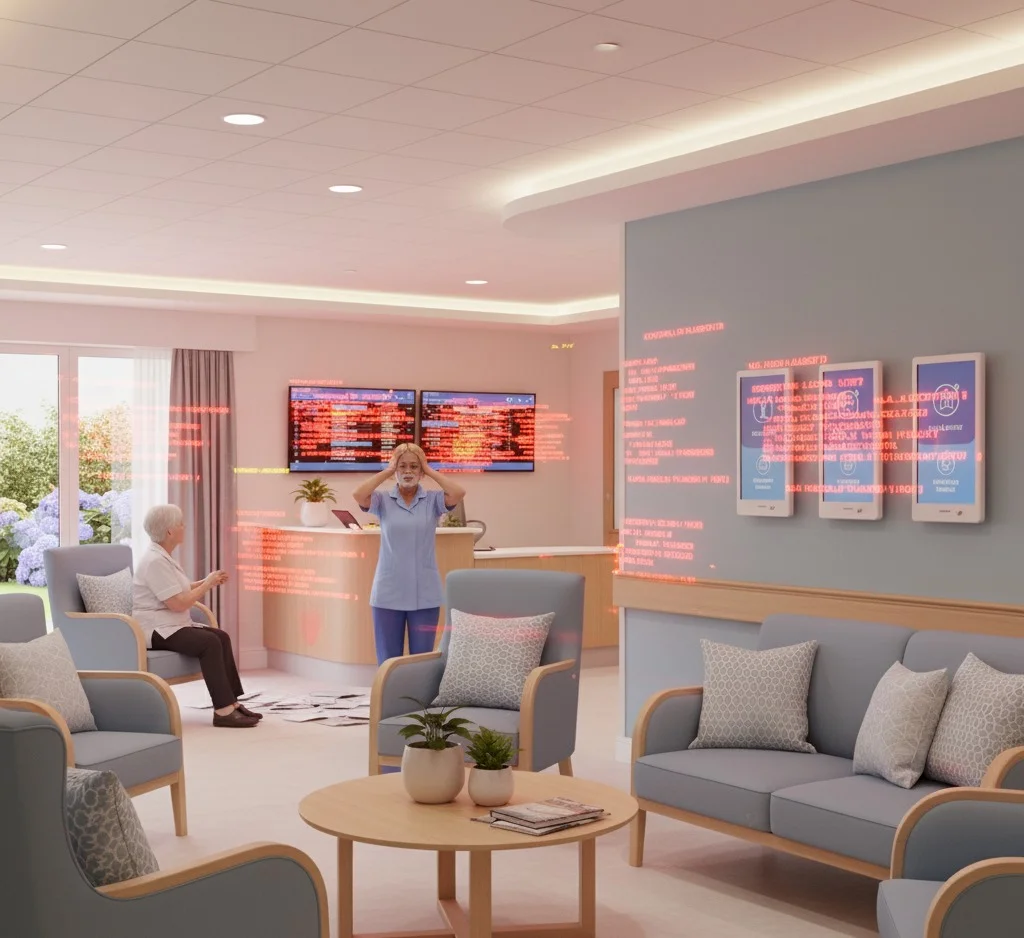
Why alarm fatigue matters
Staff stress: constant noise adds pressure to already demanding shifts.
Slower responses: when alarms blur together, genuine events can be harder to spot.
Disturbed residents: alarms that aren’t theirs break sleep and add to distress.
How we help restore calm
Verified alerts: each fall is checked before an alert is sent, which reduces false alarms.
Right person, right alert: calls and alerts go to the staff who need to respond, not the whole home.
Quieter corridors: silent nurse call means fewer bells ringing out while residents sleep.
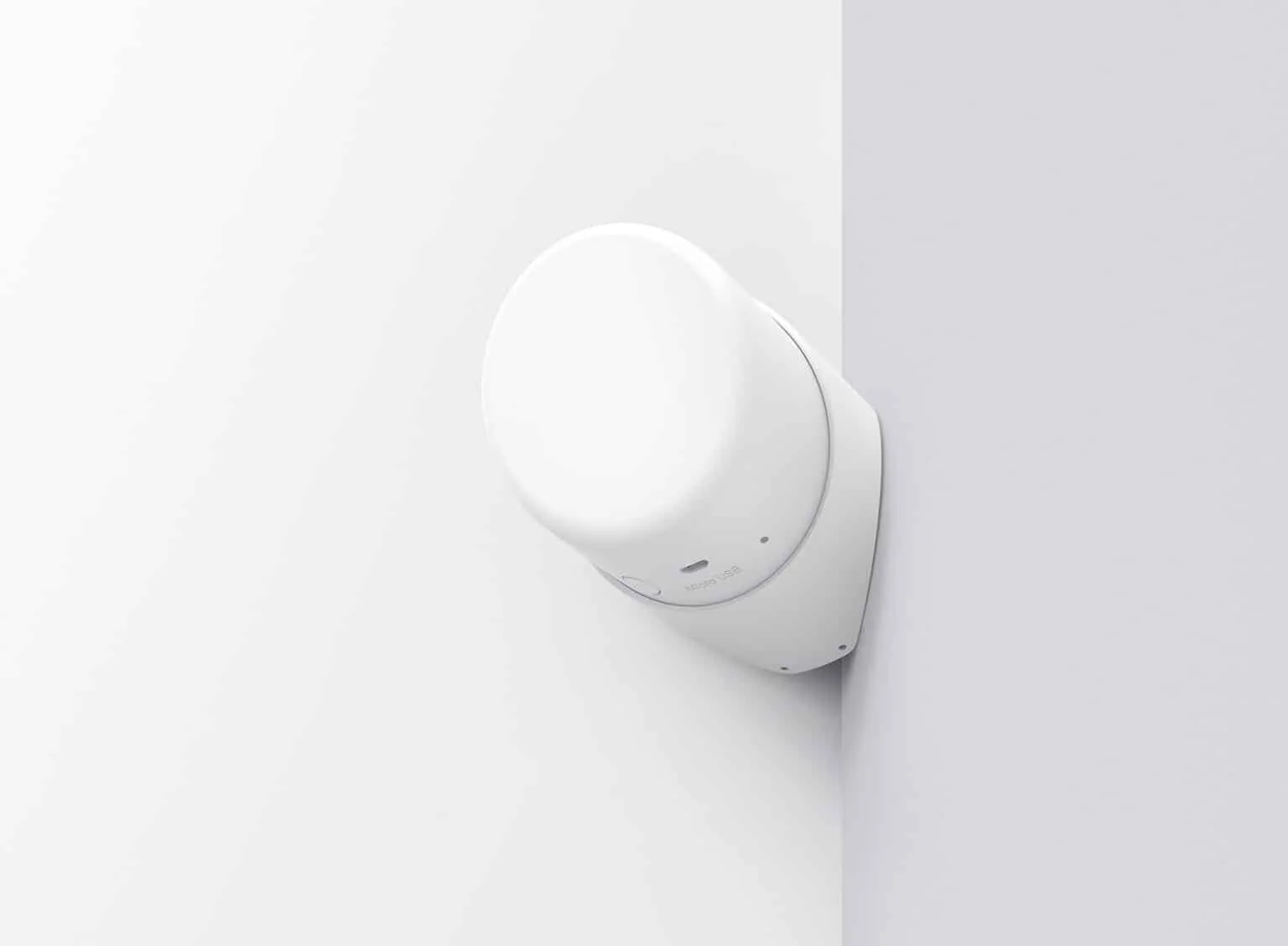
What this looks like day to day
Reducing alarm fatigue isn’t about switching things off. It’s about making each alert count. With fall detection, fall prevention and wellbeing sensing, powered by Vayyar, each fall is verified before staff are alerted, which takes at least 90 seconds and helps keep false alarms down. Silent nurse call, through Charis or the Nurse Call Messaging Service (NMS), sends calls straight to the right member of staff instead of sounding across the home.
The result is a quieter environment where staff can trust that an alert means something, and residents are less likely to be woken by calls that have nothing to do with them. Managers also get a clearer picture of alert patterns, which helps them spot where noise is coming from and what might be changed.
Frequently asked questions about alarm fatigue
Won't a new system just add more noise?
It shouldn’t, if it’s set up well. Fall alerts are verified before they’re sent, and silent nurse call sends calls to staff devices rather than ringing across the home. We’ll also look at how your existing systems fit together, so you’re not adding another source of noise.
What causes alarm fatigue in care homes?
Usually a combination of things: loud call bell systems, sensors and mats that trigger when nobody needs help, and several systems each making their own sounds. Over a long shift, it becomes harder to tell which alerts matter most.
Does reducing alarms mean less safety?
No. The aim is fewer unnecessary alarms, not fewer genuine alerts. When staff trust that an alert is real and meant for them, they can respond more confidently.
How does this help with inspections?
Every alert and response is recorded, giving managers clear evidence of how the home responds to residents, which supports conversations around safety and leadership.
Will residents notice a difference?
Often, yes. Fewer bells and alarms ringing out at night can mean less disturbed sleep and a calmer atmosphere, particularly for people living with dementia.
Bringing meaning back to alerts
Alarm fatigue builds up gradually, and it can be easy to accept as part of the job. It doesn’t have to be. With fewer, clearer alerts that reach the right person, teams can respond with confidence and residents can rest more easily.
We’ll look at how alerts work in your home today, including at night, and talk through practical ways to reduce the noise without adding risk.
This guide is part of our fall detection and prevention series. You might also find privacy: radar vs cameras and out of bed alerts useful.
To keep reading, see our complete guide to fall detection in care homes and how Spark Care fall detection works in practice.