
Fall data, staffing and family confidence
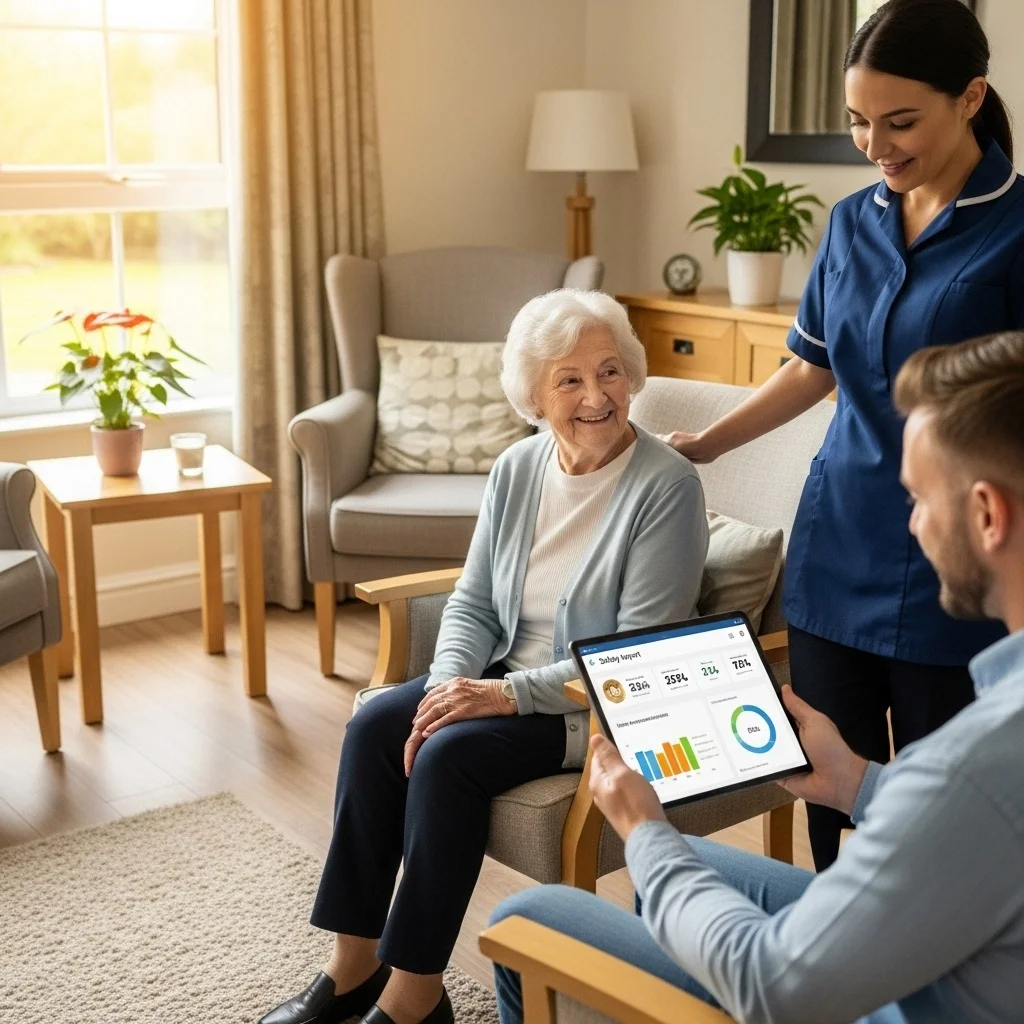
How fall data supports staffing, oversight and family confidence
Beyond detection: what the data can tell you
Detecting a fall is only part of the picture. Every alert also tells you something: when falls tend to happen, where, and what was going on beforehand. Over weeks and months, those patterns can help you understand risk across your home in a way that individual incident forms rarely do.
Spark Care fall detection, fall prevention and wellbeing sensing, powered by Vayyar, builds that picture quietly in the background. Alongside fall patterns, it can show room occupancy, time spent in rooms, hour-by-hour room use and changes in routine. Reporting is set up during the two-week Learning Mode period after installation, while fall and out of bed alerts are active from day one.
The value isn’t in the numbers themselves. It’s in the conversations they support, with your team, with families and with inspectors. If you’re preparing for inspection, our article on what the new CQC framework means for care homes sets out what inspectors are looking for.
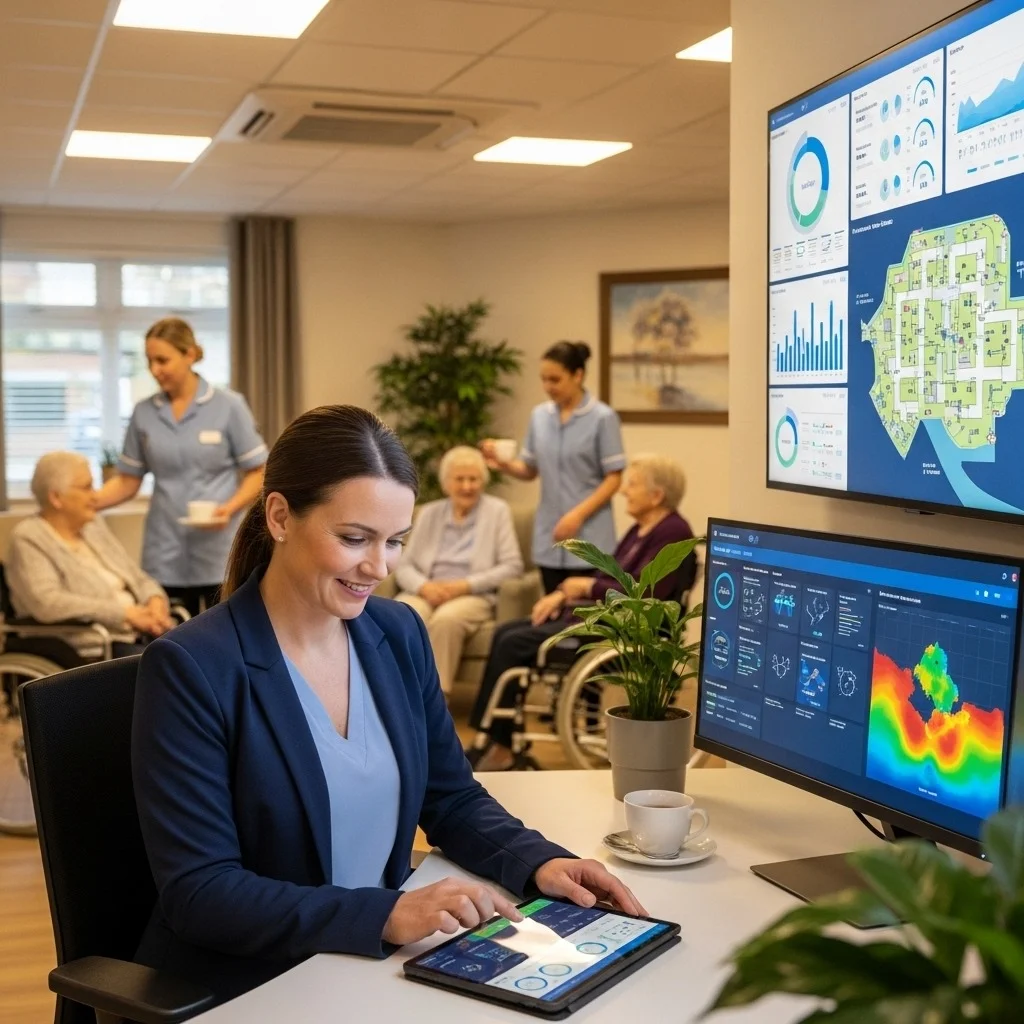
Planning staffing around real patterns
See when and where falls and night-time activity tend to happen
Use evidence, not guesswork, when planning cover across shifts
Spot changes in a resident’s routine that may need a care review
Stronger evidence for oversight and inspection
Show how your home understands and manages falls risk
Evidence how and when staff responded to each alert
Support safeguarding reviews with a clear, time-stamped record
Honest reassurance for families
Families want to know their relative is safe, and they want to trust what they’re told. Being able to explain how your home detects falls, how quickly staff are alerted and what you learn from each event gives families something concrete to hold on to.
It also helps when something does go wrong. A clear record of what happened, and how the team responded, supports open and honest conversations rather than uncertainty. This matters most for unwitnessed and unreported falls, where there’s often nobody else who can say what happened.
Turning data into better care
Data only helps if it leads somewhere. We encourage homes to build a simple rhythm around it: reviewing fall and routine patterns regularly, talking them through with senior staff, and using what they learn to adjust care plans, staffing or the environment.
For example, a cluster of night-time bathroom visits might prompt a conversation about lighting, medication timing or support to use the toilet. A change in someone’s usual routine might be an early sign that they need a review. Small, informed changes like these can make a real difference over time.
Read more about fall detection and prevention.
Frequently asked questions about fall data
Can the system produce reports for inspections?
Yes. It keeps a time-stamped record of falls and responses, and reporting on patterns and routines is available once the two-week Learning Mode period after installation is complete.
What kind of insights does it provide?
Alongside fall patterns, it can show room occupancy, time spent in rooms, hour-by-hour room use and changes in routine, which can help identify residents who may need a review.
How is the data protected?
Data protection is taken seriously. As part of setup, we’ll talk you through how data is stored, who can access it and how it fits with your own data protection policies.
Does it use cameras?
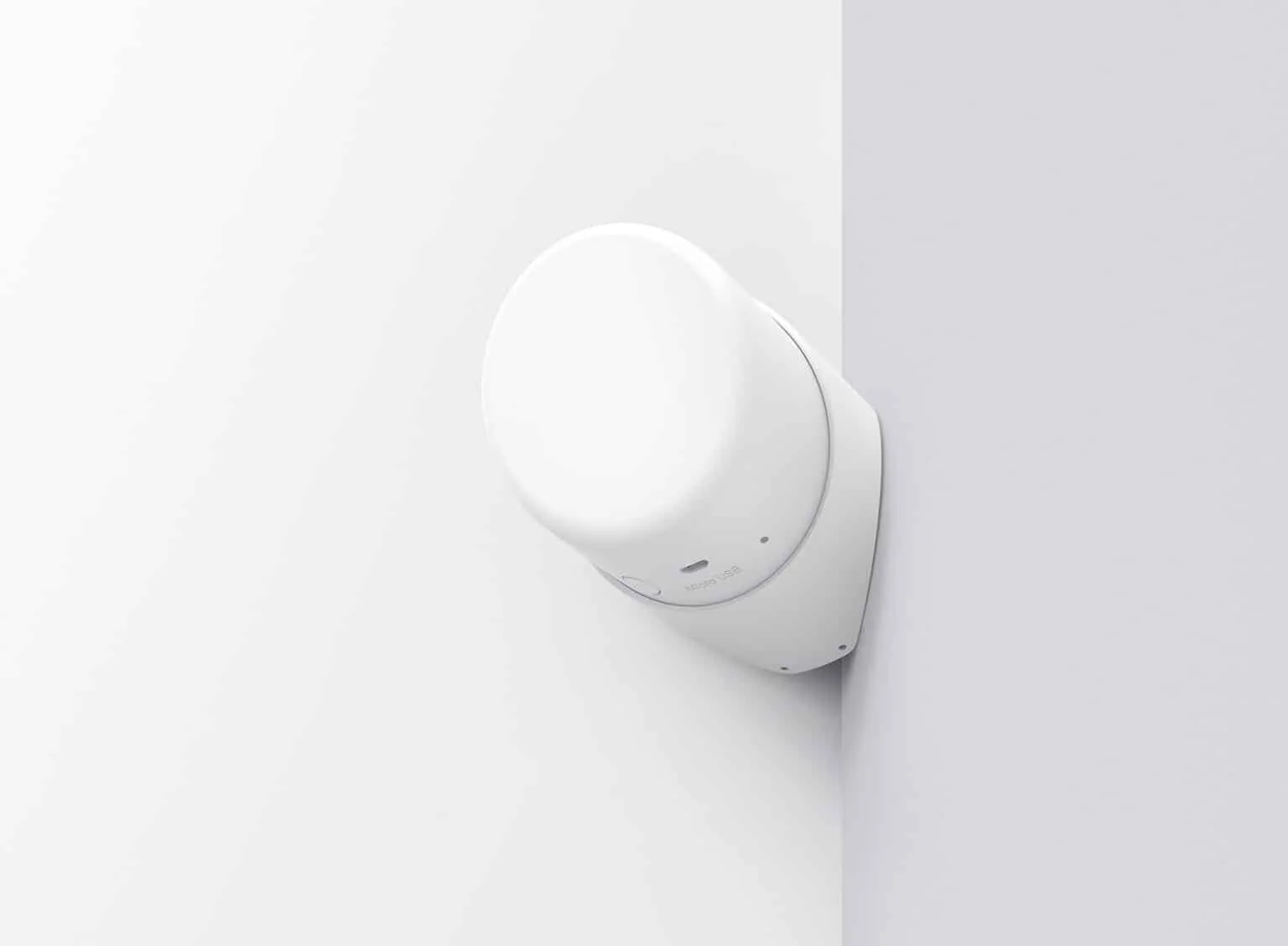
No. The sensing uses radio waves to understand presence and movement, with no cameras or microphones in the room.
Who looks at the data?
That’s up to you. Most homes share reports with registered managers, clinical leads and senior carers, and use them in supervision, care reviews and governance meetings.
From individual incidents to a clearer picture
Fall detection helps your team respond in the moment. Fall data helps you understand what’s happening across your home, so you can plan ahead, evidence your care and reassure the people who matter most.
Find out more about fall detection powered by Vayyar, or talk to us about what you’d like to understand better in your own home.
This guide is part of our fall detection and prevention series. You might also find out of bed alerts and faster vs delayed fall detection useful.
To keep reading, see our complete guide to fall detection in care homes.